Thinking about house hacking in South Shore and keep hearing the term two‑flat? You are not alone. Many first‑time investors start with a two‑unit building because you can live in one unit and let the other help cover the mortgage. In this guide, you will learn what a two‑flat is in Chicago, how South Shore buildings are built, what systems to check, how to underwrite rents and expenses, and which local rules to confirm before you buy. Let’s dive in.
Two‑flat basics in Chicago
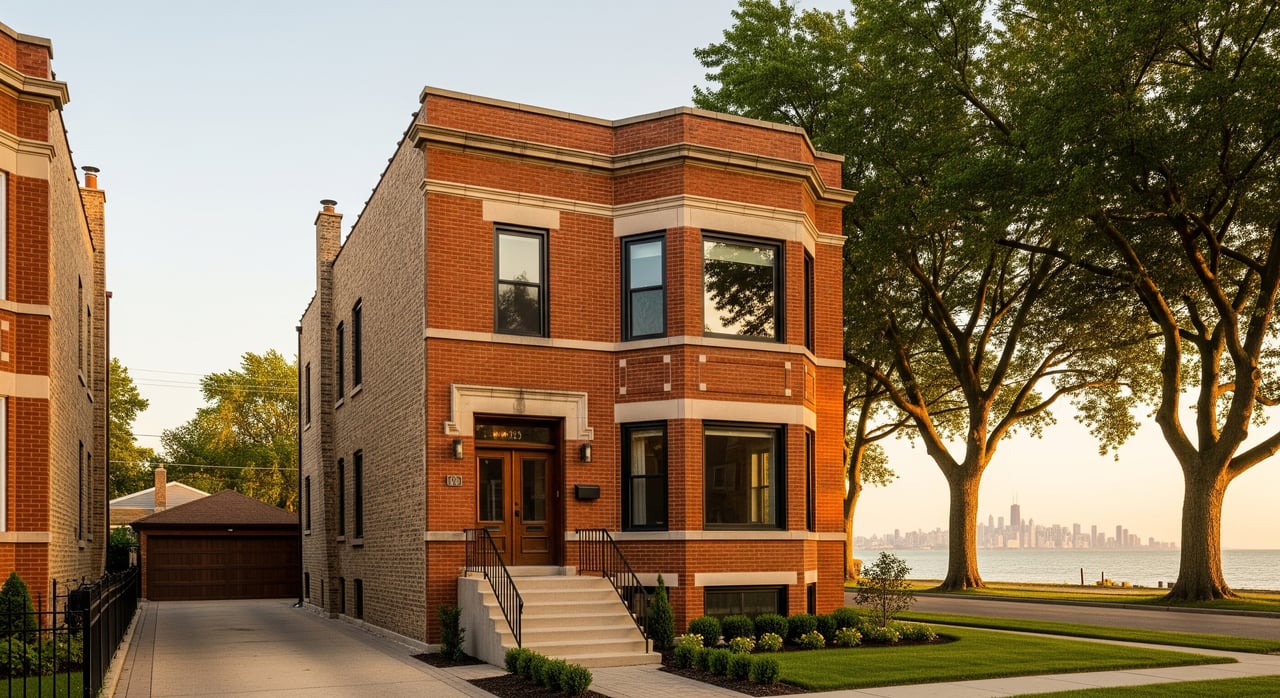
A Chicago two‑flat is a residential building with two self‑contained dwelling units on one lot. You will see three common setups:
- Stacked, with one full‑floor unit per level. This is the classic Chicago two‑flat.
- Side‑by‑side, with two adjacent units on the same level. This is less common in older stock.
- Converted buildings, where a former single‑family was split into two units.
In Chicago, two‑flats are typically allowed in RT residential zones, but each parcel has its own rules. Always confirm current zoning and allowed use for the specific address.
South Shore building types
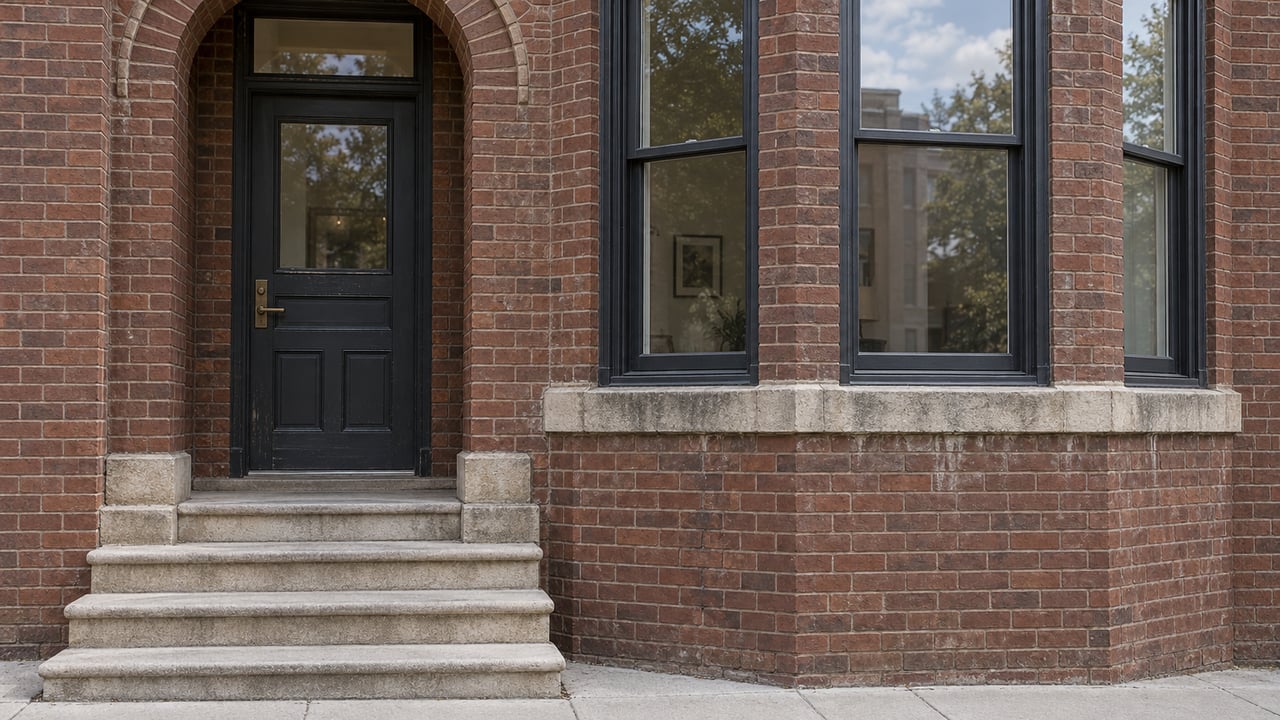
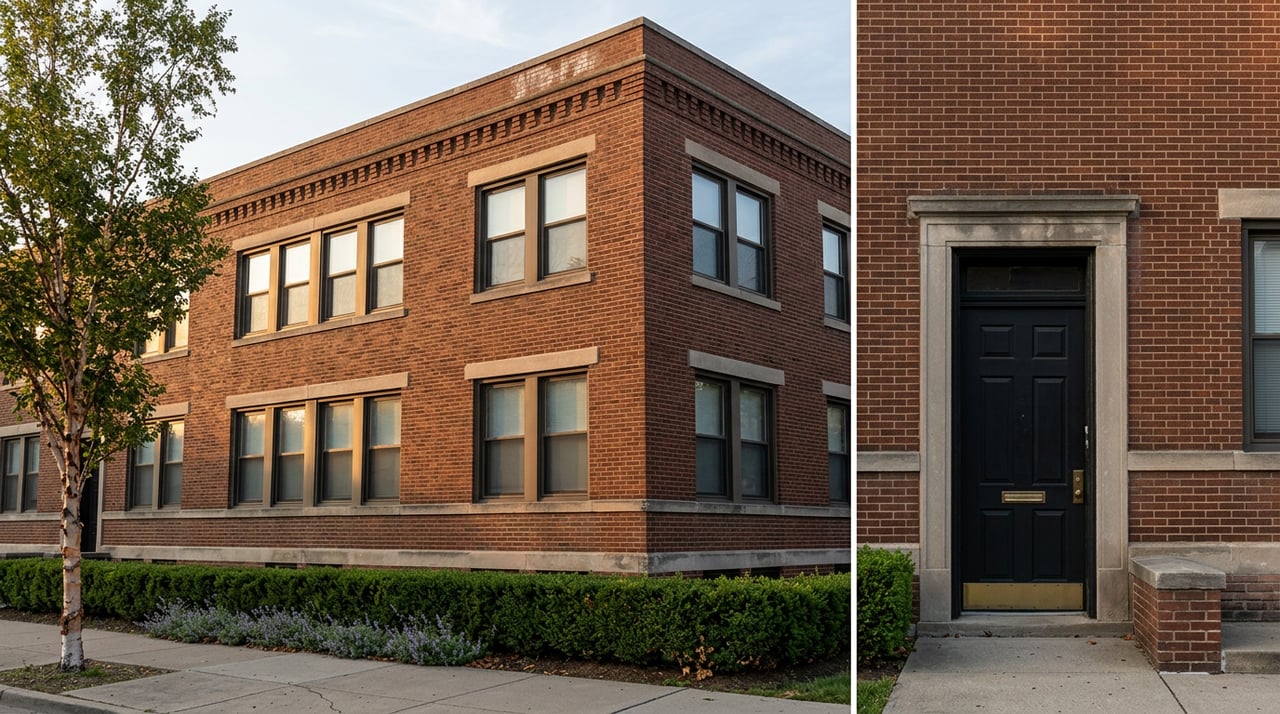
South Shore has a mix of brick masonry two‑flats, rowhomes, larger walk‑ups, and bungalow‑style homes. Most two‑flats here are brick with a shared foundation and roof, a raised basement or garden level, and a main or top‑floor unit above. You will often see front bay windows and rear porches or stairs.
What this means for you: masonry construction can be durable, but older buildings often have deferred maintenance. Common capital items include roofs, porches and exterior stairs, tuckpointing and brickwork, and window replacements.
Typical layouts and features
Older Chicago two‑flats often have full‑floor units with mirrored plans. Popular layouts include:
- Two bedrooms and one bath, with a separate living room, a formal dining room, and the kitchen at the rear.
- Three bedrooms and one bath with a similar flow.
Features that can move the rent needle include the number of bedrooms, a finished basement or a legal garden unit, private entrances or porches, and in‑unit laundry. Renovated kitchens and baths can help, but always balance upgrade costs against the likely rent increase.
Utilities and systems to confirm
How a two‑flat is metered and heated affects both your underwriting and your long‑term plan. During due diligence, confirm:
- Utility metering
- Gas and electric: Are they separately metered for each unit, or master‑metered with the owner paying? Separate meters make tenant billing simpler.
- Water and sewer: Many buildings have a master water meter with the owner paying. Individual water meters are less common unless retrofitted.
- Heating and hot water
- Many older two‑flats use gas‑fired boilers or furnaces. Some have a single boiler and shared hot water serving both units. Shared systems can increase owner costs and may limit how you bill utilities.
- Safety and building envelope
- Smoke and CO detectors, egress, and fire separation between units.
- Roof age and condition, porch and exterior stairs safety, foundation cracks, and basement moisture or flooding history. Look for sump pumps and drain tile.
- Electrical and plumbing
- Panel capacity and wiring type. Older knob‑and‑tube or limited amperage can restrict upgrades.
- Plumbing material, such as galvanized lines versus copper. Hot‑water heater age and condition.
- Health and materials
- For pre‑1978 buildings, consider potential lead paint. Also check for asbestos in older materials, mold or moisture issues, and any pest history.
Tip: Physically count electric and gas meters and compare them with utility bills. Confirm where each bill is addressed and who pays each service today.
Rentability in South Shore
South Shore is primarily renter‑occupied compared with many Chicago neighborhoods. Demand is influenced by proximity to the lakefront, access to Metra and CTA, parks and local commercial corridors, and nearby development activity. Rents and vacancy can vary block by block, so treat the neighborhood as a set of micro‑markets rather than one uniform area.
For current rent levels and vacancy trends, pull fresh rental comps and review recent market data. Use conservative assumptions for older or less updated units, and adjust for features like in‑unit laundry, parking, and included utilities.
Financing your purchase
If you plan to live in one unit and rent the other, owner‑occupied loan programs can make entry more accessible:
- FHA 1–4 unit mortgages often allow lower down payments, but the property must meet FHA minimum property standards. Lender overlays vary.
- Conventional owner‑occupied loans for 2‑unit purchases have different down payment and reserve requirements than single‑family loans.
- Portfolio loans and bank financing can fit small landlords or value‑add plans. Short‑term hard money or bridge loans may help if you will renovate.
Important notes to confirm with your lender:
- How much of the other unit’s projected rent they will credit toward your income when qualifying.
- Required owner‑occupancy period, which is often at least 12 months.
- Any condition requirements for older two‑flat properties.
Underwriting checklist
A clear underwriting process helps you compare buildings and avoid surprises.
Property and title
- Deed and title work, easements, lot size, and zoning designation.
- Certificate of occupancy if applicable, and any documentation for prior conversions or additions.
Physical inspection and capital needs
- Roof age and leaks, porches and stairs, masonry and tuckpointing, windows, foundation, basement condition, and grading.
- HVAC or boiler, hot‑water heaters, electrical panels, and plumbing layout and material.
- Lead paint considerations for pre‑1978 properties, plus energy efficiency upgrades if you plan improvements.
- Estimate immediate deferred maintenance and 5‑year capital expenditures for big items like roof, porches, windows, and boiler.
Utilities and operating items
- Metering status for electric, gas, and water.
- Trash and snow removal arrangements and cost.
- Pest control history.
- Parking availability and laundry setup, either shared or in‑unit.
Legal, safety, and compliance
- Rental registration or licensing requirements and any required inspections.
- Tenant habitability rules and local landlord‑tenant ordinances.
- Lead disclosure laws and documentation for older buildings.
Financial inputs to gather
- Gross scheduled rent by unit, plus other income like laundry, parking, or pet fees.
- Vacancy assumption, commonly 5 to 10 percent depending on market conditions and building condition.
- Operating expenses: property taxes, insurance, owner‑paid utilities, repairs and maintenance, management fees if you will not self‑manage, and legal or accounting.
- Debt service: interest rate, amortization term, and loan fees.
Key formulas for your pro forma
- Gross Scheduled Rent = Sum of assumed rents for all units
- Effective Gross Income = Gross Scheduled Rent − Vacancy and Concessions + Other Income
- Net Operating Income (NOI) = Effective Gross Income − Operating Expenses
- Cap Rate = NOI ÷ Purchase Price
- Gross Rent Multiplier (GRM) = Purchase Price ÷ Gross Scheduled Income
- Debt Service Coverage Ratio (DSCR) = NOI ÷ Annual Debt Service
Operating expense rule of thumb: small, owner‑managed buildings often range from 20 to 50 percent of gross income depending on taxes, insurance, and utilities. Use actual bills and tax records whenever possible.
Build unit‑by‑unit rents
Underwrite each unit separately rather than using a building average. Steps to follow:
- Gather comparable rentals in South Shore with similar unit type and bedroom count. Match building style and proximity when possible.
- Adjust for features like a finished basement or garden unit, private entrances, in‑unit laundry, included utilities, and parking.
- Set a conservative market rent based on the lower end of relevant comps if condition or amenities are inferior.
- Apply a vacancy factor and any market concessions you see in current listings.
Example structure for assumptions:
- Unit A, 2 bedrooms, full floor, renovated finishes. Assumed rent based on recent comps for similar brick two‑flats.
- Unit B, 3 bedrooms, garden level with partial basement access. Adjust for light, ceiling height, and finishes.
Add other income only if realistic, such as coin‑op laundry or assigned parking. Avoid overestimating when you have limited data.
Local rules, taxes, and context
Before you make an offer, confirm these South Shore and Chicago items:
- Rental registration and inspections. Chicago enforces registration and inspection programs for multi‑unit properties. Requirements change, so check the current rules and fee schedules.
- Property taxes. Use Cook County Assessor records to estimate taxes today and account for a potential reassessment after the sale.
- Building code and zoning. Make sure the property conforms to zoning for a two‑unit use and that any basement or garden unit was permitted if applicable.
- Lead paint, disclosures, and remediation. Buildings built before 1978 require lead disclosures and may have additional requirements.
- Landlord‑tenant protections. Illinois and Chicago have tenant‑friendly procedures that affect leases and evictions. Review current statutes and ordinances before you set terms.
- Insurance. Multi‑unit coverage differs from single‑family policies. Price liability, building coverage, and loss of rent.
- Special assessments or local improvement charges. Check municipal records and any association if there is one.
Neighborhood dynamics: South Shore rents and vacancy shift within short distances due to transit access, lake proximity, parks, and nearby development. Review the latest news and planning documents for major projects that may influence demand.
Next steps for a specific listing
- Verify the rent roll, lease terms, security deposits, and tenant files.
- Confirm gas, electric, and water meter counts and obtain recent utility and tax bills.
- Order a full inspection, then get contractor bids for any deferred maintenance like roofs, boilers, and porches.
- Confirm zoning and permitted use on the parcel through City records.
- Pull both rental comps and sales comps to frame GRM and cap rate.
- Speak with lenders early to lock down rental income credit, down payment, and reserve requirements for a 2‑unit purchase.
Work with local experts
Two‑flats can be a smart path to house hacking and long‑term wealth, but the numbers must be grounded in South Shore realities. Accurate rent comps, honest assessments of porches, roofs, and boilers, and clear utility metering are the difference between a smooth first year and a costly surprise. If you want a partner who knows the block‑by‑block patterns and speaks the language of returns, reach out to the Taylor Dixon Group. We help you source, underwrite, renovate, lease, and manage with confidence.
FAQs
What is a two‑flat in Chicago?
- A two‑flat is a residential building with two separate dwelling units on one lot, most often stacked with one full‑floor unit per level.
Are South Shore two‑flats good for house hacking?
- Many buyers live in one unit and rent the other, but success depends on conservative rent comps, verified utility metering, and realistic operating costs.
What building systems should I inspect first?
- Focus on roof and porches, masonry and tuckpointing, boilers or furnaces, hot‑water heaters, electrical panels and wiring type, plumbing material, and basement moisture.
How do lenders treat rental income on 2‑unit loans?
- Policies vary, but many lenders will credit a portion of projected rent from the second unit; confirm the percentage, reserves, and any occupancy requirements.
How do I estimate unit rents in South Shore?
- Pull recent comps for similar two‑flats, adjust for features like laundry and parking, choose a conservative number, then apply a vacancy factor and any current concessions.
What local rules affect two‑flat owners in Chicago?
- Check rental registration and inspection requirements, zoning compliance, lead disclosures for pre‑1978 buildings, tenant protections, and Cook County property tax assessments.