Leave a Message

Thank you for your message. We will be in touch with you shortly.

What Is a Chicago Two-Flat? A Buyer’s Guide

November 21, 2025

Thinking about house hacking in Woodlawn but not sure what a Chicago two-flat really is? You are not alone. Many first-time investors and owner-occupants start here because two-flats can blend reliable rental income with a comfortable place to live. In this guide, you will learn what defines a two-flat, how to analyze one in Woodlawn, what financing could look like, and which repairs and checks to plan for. Let’s dive in.

What is a Chicago two-flat?

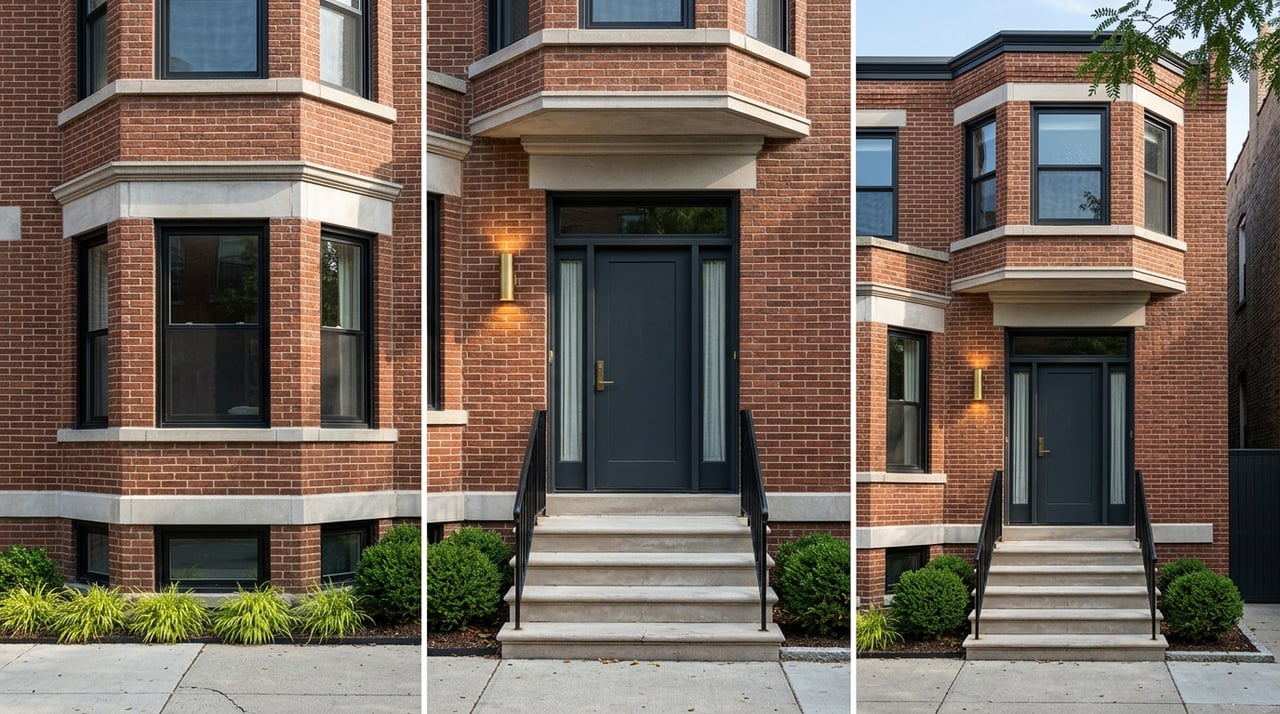
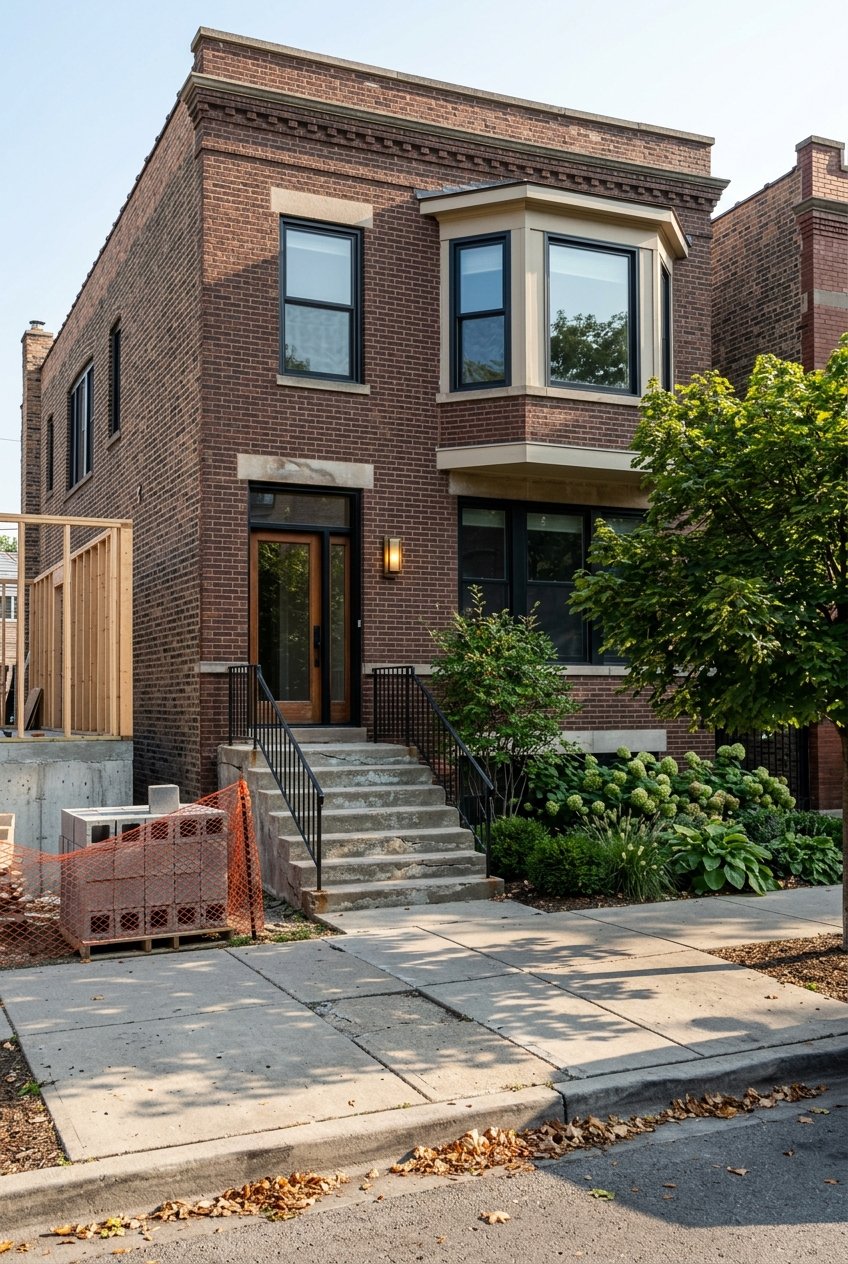
A two-flat is a residential building with two separate dwelling units on one parcel. In Chicago, most two-flats are masonry buildings where each unit occupies a full floor, often with a full basement and a shared front porch or stoop. Some versions place units side-by-side or stack a duplex over a garden unit, but the core idea is the same: two legal units under one roof.

You will often see early 20th-century architecture, original woodwork, and tall windows. Systems vary by age. Many buildings still use steam or hot-water boilers, older electrical service, and cast iron plumbing stacks. Some properties have separate gas and electric meters for each unit, while others share utilities. Separate meters simplify renting and expense tracking.

Two-flats differ from single-family homes because they are legally multifamily. They also differ from three-flats and larger buildings, which may involve more complex management and financing. For first-time buyers, a two-flat can be a manageable entry point into real estate investing.

Why two-flats fit Woodlawn

Woodlawn sits on Chicago’s South Side with access to transit, green space, and nearby institutions. Proximity to the University of Chicago, Jackson Park, and CTA Green Line stations can support steady rental demand for a range of renters, including students, university staff, and early-career professionals. Street-by-street conditions vary, so block-level research matters.

The neighborhood’s housing stock includes single-family homes, two-flats, and small multi-unit buildings. You will find everything from recently renovated two-flats to properties that need significant work. If you prefer a move-in-ready space with predictable systems, focus on updated buildings. If you want to add value, a well-located building that needs improvements can be an opportunity.

How to underwrite a two-flat

Start with a simple income approach. If leases are reliable, use actual rents. If the building is vacant or rents are below market, estimate achievable market rents using current comparable listings. Subtract realistic operating expenses and a vacancy allowance to find Net Operating Income (NOI). From there, review a few core metrics:

  • Gross Rent Multiplier (GRM): purchase price divided by gross annual rent. Quick screening, does not include expenses.
  • Cap rate: NOI divided by purchase price. Compares returns before debt service.
  • Cash-on-cash return: annual pre-tax cash flow after mortgage payments divided by your initial cash invested. Useful for house hackers.

Build in conservative assumptions:

  • Vacancy: consider a 5 to 10 percent allowance for small properties, then adjust for your block and unit quality.
  • Repairs and capital reserves: budget for systems and exterior upkeep, not just cosmetic touch-ups.
  • Utilities: confirm who pays for gas, electric, and water. Separate meters may improve rentability and reduce your operating burden.

Estimating rent in Woodlawn

Set rents by what is competitive today, not last year. Use a simple four-step method:

  1. Match unit types. Compare beds, baths, square footage, and layouts that are similar to your subject.
  2. Scan current listings. Focus on active Woodlawn comparables with similar finishes and amenities.
  3. Inspect finishes and systems. Updated kitchens, baths, in-unit or on-site laundry, and separate utilities can support higher rent.
  4. Adjust for location features. Transit access, parks, and overall condition of the immediate block influence demand and pricing.

Avoid relying on outdated ads. Submarkets can move quickly, and two similar streets can perform differently.

Financing basics for 2-unit buyers

Owner-occupants have access to loan programs designed for small multifamily properties. FHA allows 1 to 4 unit purchases when you live in one unit, with a commonly cited minimum down payment around 3.5 percent for qualified borrowers. Many conventional programs from Fannie Mae and Freddie Mac also offer owner-occupied options for two-unit properties with lower down payments than investor-only loans. Requirements vary by lender and product, so confirm details early.

If you are buying as an investor without living in the property, plan for a higher down payment, often 15 to 25 percent or more. Lenders will order an appraisal and may underwrite the rental income differently. Some count a portion of in-place rents. Others rely on a market rent schedule. Ask how your lender treats rental income, vacancy, and reserves so there are no surprises.

Rehab and maintenance to expect

Older Chicago two-flats can be durable, but many need system updates. Common items to check include:

  • Exterior masonry and tuckpointing, roof condition, and porch safety.
  • Foundation and basement waterproofing. Many basements see water infiltration and may need drains or sump systems.
  • Mechanical systems. Boilers and furnaces may be near end-of-life. Plan for upgrades to meet comfort and code.
  • Electrical. Replace outdated knob-and-tube and undersized service panels where present.
  • Plumbing. Cast iron stacks and galvanized supply lines may require partial repiping.
  • Windows and insulation. Energy improvements can reduce utility costs and support better rents.
  • Environmental safety. Buildings built before 1978 likely contain lead-based paint. Follow local, state, and federal lead-safe rules and disclosure requirements if you renovate or rent.

Rehab costs vary widely based on scope. Cosmetic refreshes are one tier, while full system replacements and structural repairs are another. Get at least one scoped contractor estimate, a licensed building inspection, and include a 10 to 20 percent contingency for unknowns.

Due diligence checklist

Use this checklist to stay organized from offer through closing.

Before you make an offer

  • Run a comparative market analysis for sale price and realistic rents.
  • Confirm legal unit count, zoning compliance, and certificate of occupancy through City of Chicago records.
  • Review property tax history, exemptions, and any pending appeals with the Cook County Assessor records.
  • Ask for the rent roll, leases, security deposit records, and payment histories.
  • Order a preliminary title search to check for liens and easements.

During contingencies

  • General building inspection with an inspector who understands small multifamily.
  • Pest or termite inspection, plus a structural engineer if signs of movement or sagging appear.
  • Sewer scope to assess the lateral line.
  • HVAC or boiler assessment and an electrical capacity and safety review.
  • Lead-based paint risk assessment for pre-1978 properties if you plan renovations or have tenants with small children.

Financial and operational checks

  • Confirm utility meter separation and who pays for gas, electric, and water.
  • Verify local rental registration or licensing requirements and current compliance.
  • Obtain a landlord insurance quote. Premiums depend on building condition, occupancy, and claims history.
  • Clarify lender requirements for appraisal, reserves, and documentation.

Right after closing

  • Register rental units if required and confirm smoke and CO detectors meet code.
  • Update leases and systems for on-time rent collection and maintenance requests.
  • Set up a reserve account for capital repairs and vacancy.

A simple cash flow example

Here is how your monthly cash flow might come together without specific numbers:

  1. Add the gross monthly rent from both units.
  2. Subtract a vacancy allowance that fits your underwriting, for example 5 to 10 percent.
  3. Subtract operating expenses like insurance, property taxes, management, utilities you pay, and routine maintenance.
  4. The result is your monthly NOI.
  5. Subtract your monthly mortgage payment to find pre-tax cash flow. Use this to gauge cash-on-cash return relative to your initial cash invested.

This framework helps you compare properties consistently. It also highlights which levers matter most: purchase price, rent potential, expense control, and debt terms.

Risks to avoid and how to mitigate

Buying a two-flat is straightforward if you plan ahead. Keep these pitfalls in mind:

  • Overly optimistic rents. Use current local comps and include a vacancy and turn allowance.
  • Hidden violations or unpermitted work. Check permit history and City compliance before closing.
  • Underestimating big-ticket items. Prioritize roof, heating, electrical, and porches for safety and insurability.
  • Financing surprises. Confirm the lender’s approach to rental income, appraisal assumptions, and reserves early in the process.

Taxes and recordkeeping basics

As an owner-occupant, you may be able to deduct mortgage interest and property taxes on Schedule A, subject to limits. Rental income and associated expenses go on Schedule E. Capital improvements for the rental portion depreciate over 27.5 years under federal rules for residential rental property. Keep clean records, store receipts, and consult qualified advisors for case-specific guidance.

Why work with a local two-flat team

A good two-flat purchase balances neighborhood insight with numbers. You need accurate rent comps, a clear rehab scope, and a plan for permits and contractors. You also want an agent who can pressure test assumptions and guide lender conversations.

The best next step is a conversation with a team that manages small multifamily deals regularly. You will get candid feedback on building condition, rentability, and likely lender and appraisal outcomes. That clarity saves time and helps you move fast when the right property hits the market.

Next steps in Woodlawn

  • Tour a few two-flats to calibrate unit layouts, finishes, and system conditions.
  • Speak with a lender that regularly finances 2-unit owner-occupied purchases and small investor loans.
  • Schedule a multifamily-focused inspection on any building you are serious about.
  • Build a conservative budget with reserves and a realistic timeline for any upgrades.

If you want a clear plan from first showing to closing, reach out to the Taylor Dixon Group. Our team pairs South Side neighborhood expertise with investor-minded analysis so you can buy confidently, house hack smoothly, and manage for long-term returns.

FAQs

What is a Chicago two-flat for first-time buyers?

  • A two-flat is a residential building with two separate units on one parcel, often full-floor layouts, that lets you live in one and rent the other.

How do I estimate rent for a Woodlawn two-flat?

  • Match similar unit sizes and finishes, scan current neighborhood listings, adjust for amenities and location, then apply a vacancy allowance.

Can I use low down payment financing on a two-flat?

  • Owner-occupant programs like FHA and some conventional options may allow lower down payments for 2-unit properties, subject to lender rules.

What repairs are most common in older Chicago two-flats?

  • Expect potential masonry, roof, porch, boiler or HVAC, electrical upgrades, plumbing stack work, and possible lead-safe compliance for pre-1978 homes.

How do lenders treat rental income when I qualify?

  • Some lenders count a portion of in-place rents or market rent schedules and apply vacancy or expense offsets, which vary by product.

What due diligence should I do before closing in Chicago?

  • Verify legal unit count and zoning, check for code issues, review tax and lease records, order full inspections, and confirm lender conditions.

Work With Us

Get assistance in determining current property value, crafting a competitive offer, writing and negotiating a contract, and much more. Contact Taylor Dixon Group today to start your home searching journey!