Bolingbrook vs Frankfort Commute & Budget Tradeoffs
January 15, 2026
January 15, 2026
Trying to choose between Bolingbrook and Frankfort, but worried about what that means for your commute and monthly budget? You are not alone. Many city-to-suburb movers weigh drive time, housing options, and outdoor access before they pick a town. In this guide, you will see how each suburb stacks up so you can match your priorities to the right place. Let’s dive in.
Bolingbrook sits near several major expressways used for commuting across the metro. This often gives you more direct routes toward the I-55 corridor and I-355 for northwest and southwest travel. Peak-hour congestion is common, and winter weather or construction can add time.
Frankfort is farther south and southeast of central Chicago. Many trips to downtown or northern suburbs take longer by both distance and time. Commutes can still be reasonable for jobs in the south or southwest parts of the metro, especially near industrial and office parks.
In both towns, most commuters drive to a Metra station or a park-and-ride. Local Pace bus coverage exists in parts of the region, but service and frequency vary. The “last mile” often requires a car, rideshare, or limited local bus service, which is less convenient than inner suburbs with walkable station access.
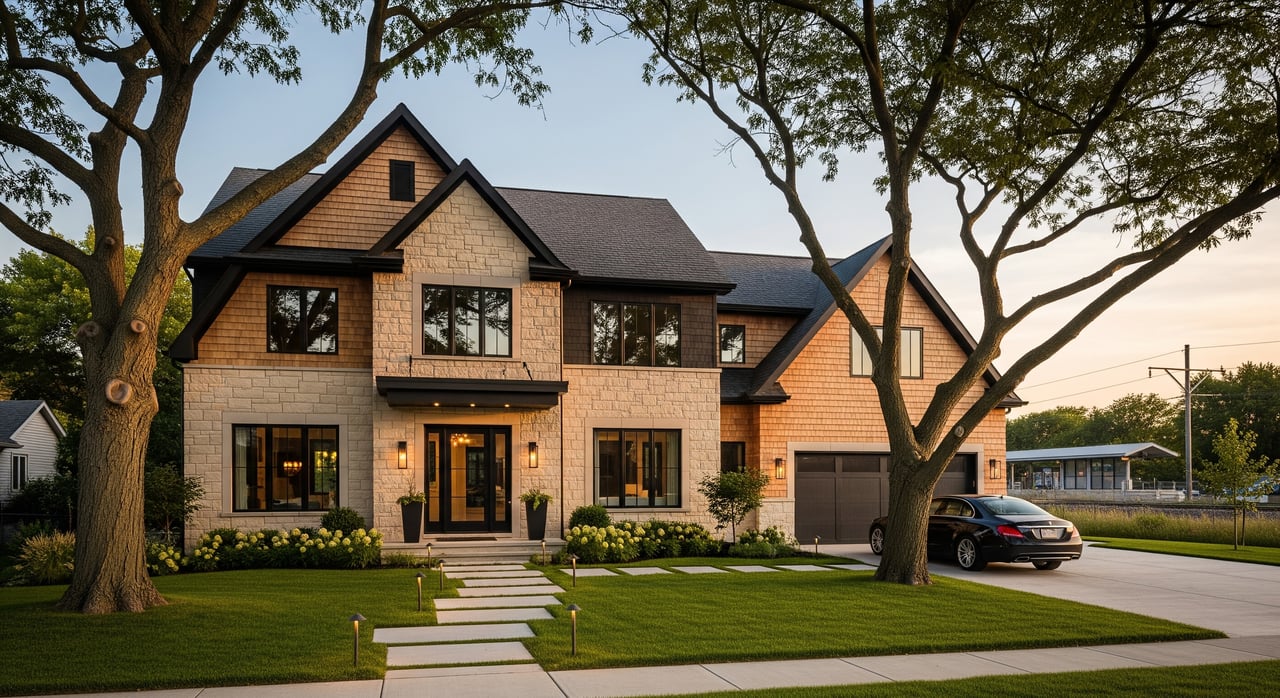
The two markets feel different. Bolingbrook offers a broader mix of condos, townhomes, and single-family homes across a wide range of ages. Frankfort skews toward newer single-family homes on larger lots, with more luxury and custom options. Always confirm current prices with your agent and local MLS data.
Budget-to-features matrix (illustrative, confirm with current MLS; updated January 2026)
| Budget tier | Bolingbrook — what you can expect | Frankfort — what you can expect |
|---|---|---|
| Entry (lower budget; townhome/condo range) | Condos or townhomes and some smaller single-family homes; roughly 1,000–1,800 sq ft; 2–3 beds; 1–2.5 baths; smaller yards or shared-maintenance lots; often in older developments or near commercial corridors. | Limited entry-level inventory; some townhome options in newer communities, plus smaller single-family homes on modest lots; 2–3 beds; may be farther from the village center or in active-adult pockets. |
| Moderate (move-up buyer) | Single-family homes around 1,600–2,600 sq ft; 3–4 beds; 2–3 baths; modest to medium yards; 1990s–2000s construction is common; higher likelihood of HOA in planned communities. | Larger single-family homes around 2,000–3,200 sq ft; 3–4 beds; more newer-construction subdivisions; larger lots and varied architecture. |
| Upper (amenity-focused) | Newer or renovated single-family homes, 2,500–3,500+ sq ft; 3–5 beds; open kitchens, finished basements, attached garages; medium lot sizes. | Larger newer or custom homes, 3,000–4,500+ sq ft; 4–6 beds; premium finishes; private yards, sometimes backing to open space or ponds. |
| Premium (higher-end) | Scarcer supply; newer custom builds or larger executive homes in select pockets; fewer estate-style amenities. | More luxury and custom homes on large lots; estate properties and golf-course or equestrian-style settings are more common. |
Your monthly payment is more than principal and interest. Property taxes and HOA dues vary by parcel and subdivision. Some newer neighborhoods include HOAs that cover amenities or shared maintenance. Always review the property’s tax bill, typical HOA dues, and any special assessments.
Both towns offer neighborhood parks, multi-use trails, and access to larger county forest preserves. You will find playgrounds, athletic fields, ponds with walking paths, and nearby golf options in and around each suburb.
Bolingbrook has a planned-subdivision feel, with village-run parks and amenities spread across neighborhoods. Short connector trails make it easy to get outside for daily walks. Retail and fitness options are close to major roads.
Frankfort includes preserved natural areas and larger open spaces in many neighborhoods. Trails can feel more wooded and rural, and some homes back to natural areas or stream corridors. Yard sizes often run larger as well.
Life in both towns is car-forward. You will likely drive for groceries, errands, and most commutes. Cycling and walking work well for recreation and short neighborhood trips.
If you want more house and lot size within a higher budget tier, Frankfort is a strong candidate. If you prefer a wider range of housing formats, more entry-level options, and closer expressway access, consider Bolingbrook.
Ready to see how your goals map to the market in real life? Connect with the Taylor Dixon Group for on-the-ground guidance, commute testing tips, and a personalized tour plan.
Stay up to date on the latest real estate trends.


Get assistance in determining current property value, crafting a competitive offer, writing and negotiating a contract, and much more. Contact Taylor Dixon Group today to start your home searching journey!