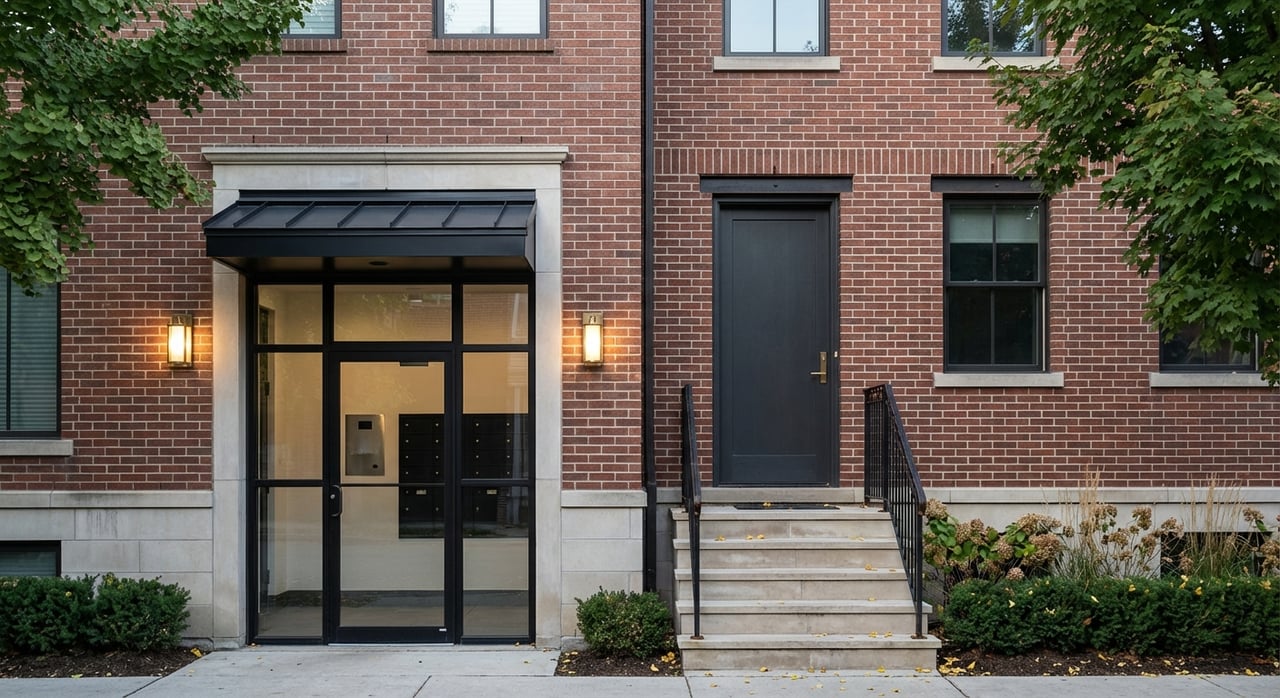
Hyde Park Condos vs Townhomes: A Guide for Growing Households
February 19, 2026
February 19, 2026
Is your household outgrowing your current place, but you want to stay close to the lake, parks, and the University of Chicago? You are not alone. Many Hyde Park buyers weigh larger condos against townhomes to gain bedrooms, storage, and a more flexible layout without giving up the neighborhood’s best amenities. In this guide, you will learn how condos and townhomes compare on price, space, HOA costs, financing, and day‑to‑day living in Hyde Park. Let’s dive in.
Neighborhood medians in recent snapshots have often landed in the low to mid $200Ks, with 2025 figures frequently ranging around $238,000 to $275,000 depending on the data window and provider. That is a big‑picture view across property types. Your specific budget and options will depend on bedroom count, building style, and the monthly assessment attached to each property.
For taxes, remember that assessor valuations follow their own schedule and methods. They help with tax context but are not the same as market sale prices. You can review the assessor’s neighborhood information on the official site to understand how assessments are set and updated over time. For background, see the Cook County Assessor’s Hyde Park page on residential valuations.
Price per square foot in Hyde Park varies by building age, amenities, finishes, and proximity to the lake or UChicago. Multi‑level condo or townhome‑style units sometimes deliver more bedrooms per dollar than small one‑bed condos. When comparing value for a growing household, filter comps by bedroom count and layout, not just headline price.
Many Hyde Park condos are in mid‑rise or high‑rise buildings, often along the boulevards or near the lake. Larger units can offer generous living rooms, formal dining, and 3 plus bedrooms in vintage buildings. Typical benefits include elevator access, shared amenities, and less exterior maintenance for you as the owner. If you prefer to trade yard work for convenience, a condo can be a strong fit.
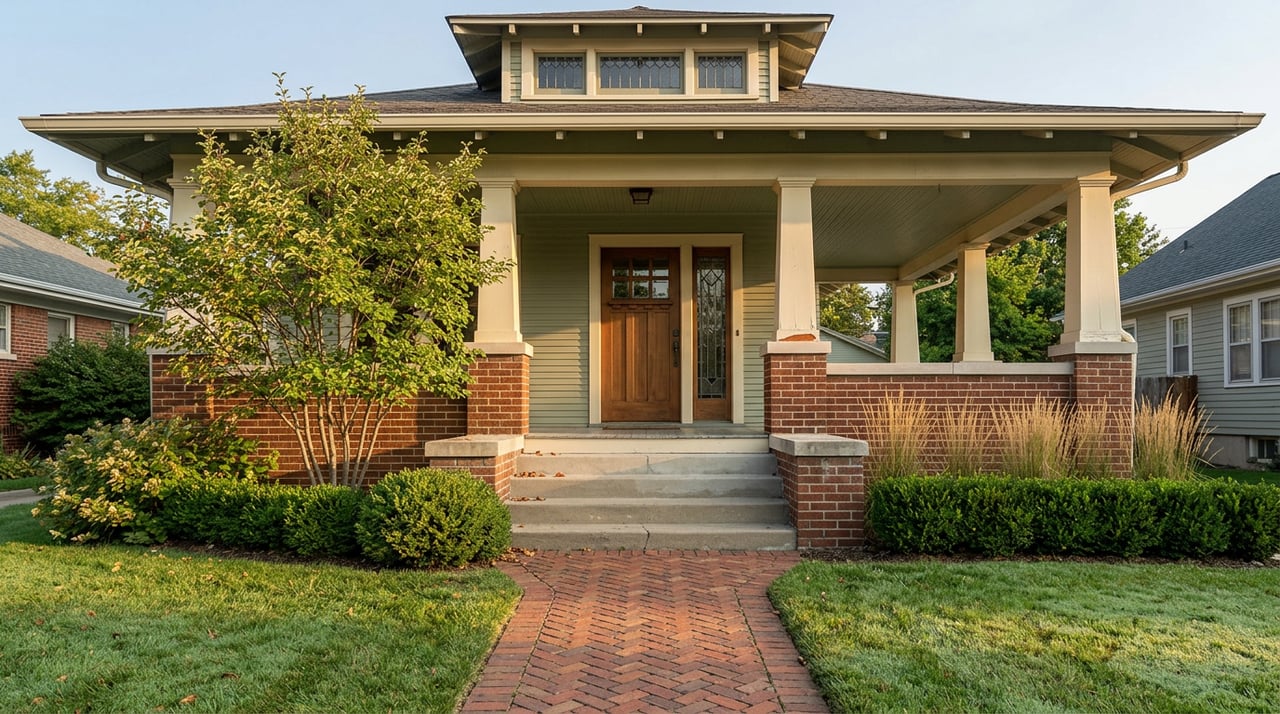
Townhomes usually provide multi‑level living with clearer separation between bedrooms and living spaces. That can help with work‑from‑home set‑ups, nap time, or late‑night study sessions. You are also more likely to find private entries, patios, attached or private garages, and dedicated storage. For strollers, bikes, and sports gear, the extra space can be a difference‑maker.
Monthly assessments in Hyde Park vary widely. Recent listings show dues as low as the mid $400s per month and well over $1,000 in some buildings. What you get for that payment matters. Many vintage high‑rise and mid‑rise condos pool exterior maintenance, building systems, and some utilities. That can push dues higher compared to smaller or newer projects with fewer shared costs. Local coverage has noted how building age and services shape property‑fee burdens in Chicago neighborhoods. For context, see this article on neighborhoods ranked by priciest property fees.
Townhome communities can be organized as fee‑simple (you maintain exterior items) or as common‑interest or condo associations that still cover some exterior work and shared areas. Fees in those settings may be lower than full‑service towers, but the owner takes on more maintenance and future capital projects.
Ask for and review these items before you commit:
Lenders often review similar documents for condo approval, so getting ahead of this helps your financing timeline.
These examples are for framing only. Always compare total monthly costs line by line: price, assessments, taxes, insurance, utilities, and parking.
Condos can involve project‑level underwriting. Many lenders and government programs review owner‑occupancy ratios, reserve levels, litigation history, and insurance coverage. FHA introduced a Single‑Unit Approval path in 2019 that can help some buyers, but the building still must meet key standards.
Townhome financing depends on the legal form. If the home is fee‑simple, many lenders treat it like a single‑family house, which can be simpler. If it is part of a condo or common‑interest community, underwriting may mirror condo rules. In Illinois, many townhouse or planned communities fall under the Common Interest Community Association Act. Confirm the recorded declaration, plat, and bylaws so you know what you own and what the association controls.
Hyde Park’s lakefront access is a major reason families stay. You are close to Promontory Point, the Lakefront Trail, and Jackson Park, plus the Museum of Science and Industry. These green spaces make it easy to get outside without leaving the neighborhood.
The University of Chicago sits within the neighborhood, which draws many households who want to be near campus, cultural institutions, and local retail. Metra Electric stops at 51st–53rd, 55th–57th, and 59th connect you to downtown, with travel times often reported near 15 to 20 minutes from Millennium Station.
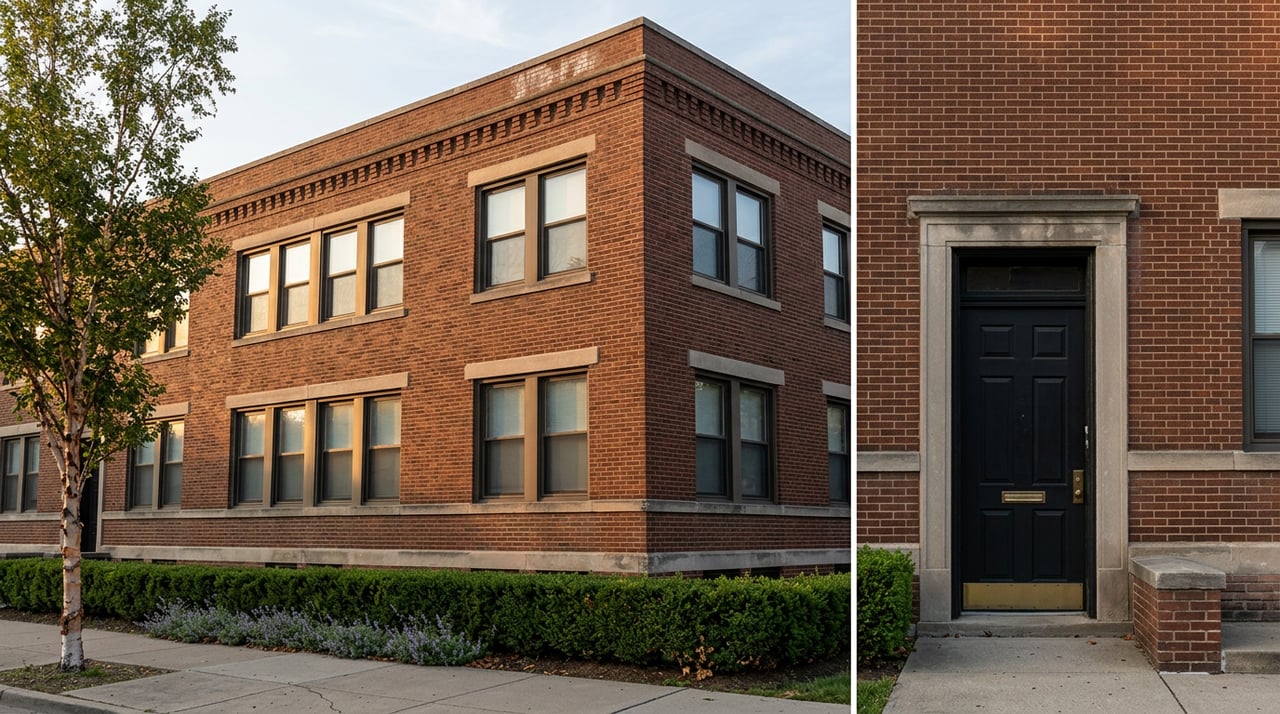
Housing styles vary block to block. You will see pre‑war courtyard buildings and walk‑ups with generous floor plans, mid‑century and later towers, and townhome clusters with shared courtyards or private patios. Hyde Park also features architectural landmarks that shape its character, from I.M. Pei’s University Apartments to Frank Lloyd Wright’s Robie House.
Use this quick list to focus your search and compare apples to apples:
To get better results and avoid surprises, set filters that match how families live:
Choosing between a Hyde Park condo and a townhome comes down to how you live day to day and how each property’s costs stack up over time. If you want a data‑backed search with neighborhood‑rooted advice and investor‑savvy analysis of HOA health, reserves, and resale potential, we are here to help. Connect with the Taylor Dixon Group to compare real listings, walk through budgets, and find the right layout for your next chapter.
Stay up to date on the latest real estate trends.


Get assistance in determining current property value, crafting a competitive offer, writing and negotiating a contract, and much more. Contact Taylor Dixon Group today to start your home searching journey!