
Life & Living in Kenwood Chicago: What to Expect
March 5, 2026
March 5, 2026
Ever wonder what it feels like to live by the lake, surrounded by historic mansions and tree-lined boulevards, yet minutes from museums, cafes and easy transit? If Kenwood has been on your radar, you are not alone. Many buyers and renters love its blend of lakefront access, architectural character and everyday convenience. In this guide, you will learn how the neighborhood is laid out, what daily life looks like, and what to expect from housing and commute options. Let’s dive in.
Kenwood is a South Side, lake-adjacent community area just north of Hyde Park. Locals often describe it as the lake-facing band from about East 43rd Street to East 51st Street, and from the lake west toward Cottage Grove and Lake Park avenues. That broad footprint captures the streets most people mean when they say “Kenwood,” including easy access to Burnham Park and the Lakefront Trail. For historical context on how this area formed, the story begins with late 19th century lakefront development noted by local histories of the neighborhood’s early institutions, including Kenwood United Church of Christ’s overview.
Inside the broader area are smaller landmark districts with formal boundaries: the Kenwood District (around East 47th to East 51st between Blackstone and Drexel) and the North Kenwood District (roughly East 43rd to East 47th near Cottage Grove). These areas hold many architect-designed homes in Romanesque, Queen Anne, Colonial Revival and Prairie School styles recognized on the Chicago Landmarks list. Knowing whether a home sits within a landmark district is important for maintenance and exterior changes.
Kenwood rose in the late 1800s when rail access made the South Side attractive for “suburban” estates. That legacy still shows in the wide boulevards and mansion-scale homes along Drexel, Ellis and Woodlawn. You will find an impressive collection of historic residences, including the Julius Rosenwald house and other estate properties documented among the city’s landmarked sites. The home long associated with Barack Obama is also a locally notable point of interest referenced by regional guides like Enjoy Illinois.
One of Kenwood’s greatest perks is quick access to the Lakefront Trail and Burnham Park. Many residents start the day with a run or bike ride along the water. For weekend relaxation, Promontory Point, the peninsula near 55th Street, is a favorite for picnics, swimming and skyline sunsets. You can explore details about the Point’s amenities on the Chicago Park District page. In summer, the lake becomes your neighborhood playground.
Kenwood connects closely to Hyde Park’s cultural corridor. The Hyde Park Art Center offers programs and exhibitions that draw creative energy to the area, and you can learn more through the Chicago Architecture Biennial’s site entry. Families and visitors also frequent the DuSable Black History Museum in Washington Park and the Museum of Science and Industry to the southeast. Day-to-day shopping and dining cluster along 47th Street in Kenwood and near 53rd Street and Lake Park Avenue in adjacent Hyde Park. Local cafes, small markets and long-running independent restaurants shape the area’s food scene, with the neighborhood vibe documented by projects like The City of Neighborhoods.
Kenwood Academy is the area’s most prominent public secondary school, serving grades 7 through 12 and including a citywide academic-center program. Many families cite its programs and proximity as a reason to live nearby. For background and an overview of the school, see the Kenwood Academy entry. Always confirm current Chicago Public Schools boundaries and options before you buy or rent.
Transit is a strong point if you prefer to commute without a car. The Metra Electric District stops at the 47th Street (Kenwood) station, offering a direct line toward downtown and southbound connections. You can check schedules and station details on Metra’s station page. The CTA Green Line has nearby stations along 47th Street, and multiple bus routes link Kenwood to Hyde Park, the University of Chicago and the Loop. Travel times vary by service and time of day, so it is smart to review current schedules when planning your commute.
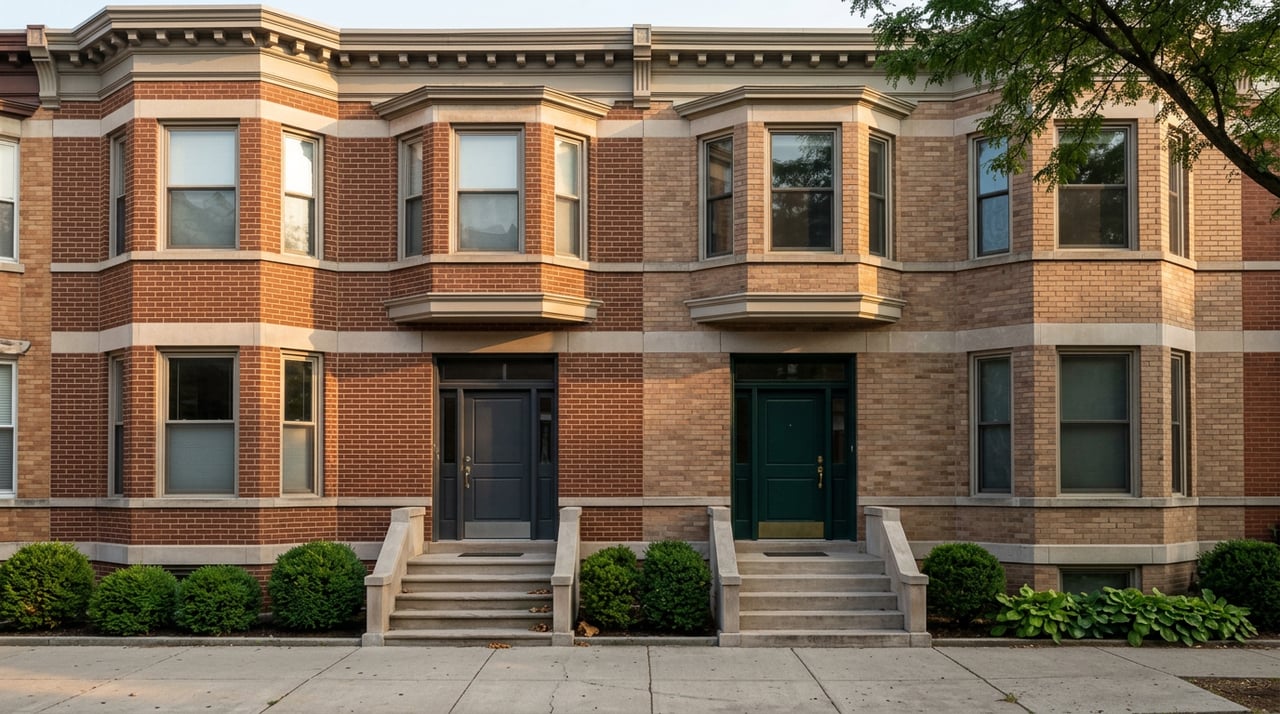
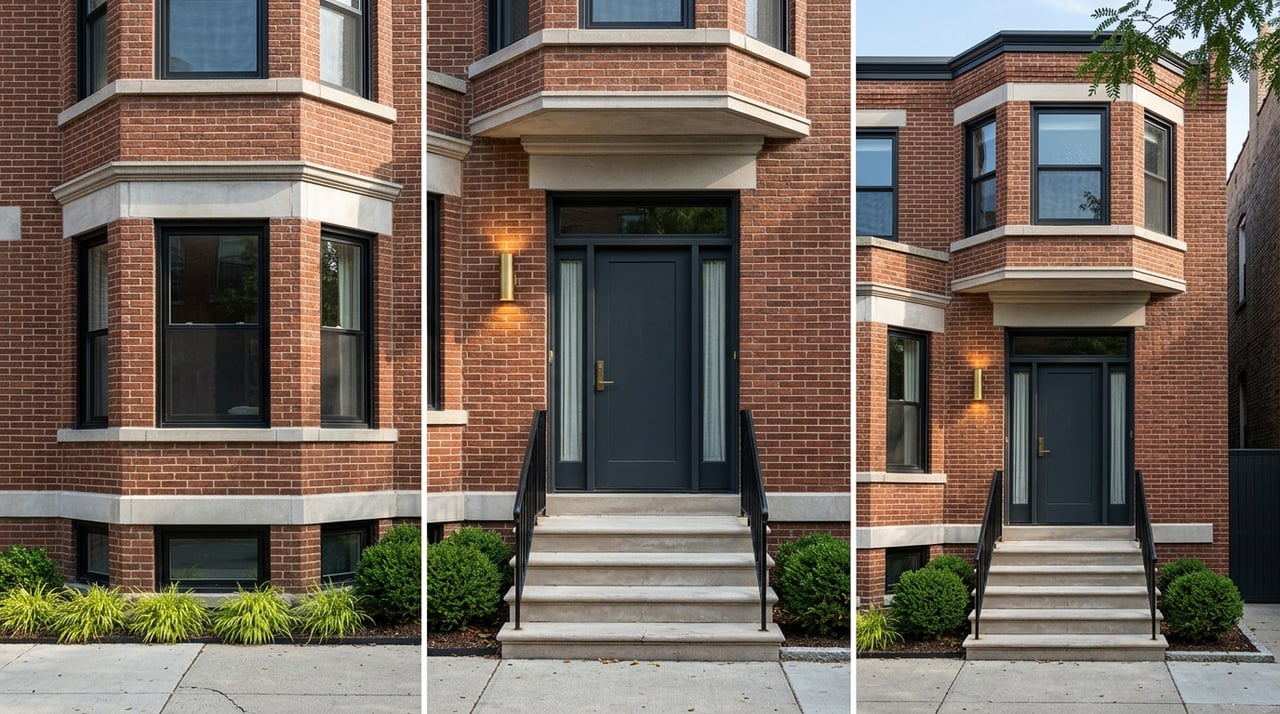
Kenwood offers a wide mix of homes, from historic estates to lakefront towers and classic Chicago multi-flats. Here is a quick rundown:
Recent aggregator snapshots show different price signals. A short-term median sale figure in one recent monthly snapshot was around 206,000 dollars, while another index that tracks typical values across home types showed a figure closer to 383,000 dollars. These differences come from distinct data methods and time windows. For rentals, a commonly cited center point has ranged near 1,800 to 2,000 dollars for asking rents, with wide variation by unit type and finishes. Numbers change often, so use these only as directional context and request current comps before making decisions.
If you are comparing options, think in terms of housing type and condition. A restored single-family mansion or large townhome can reach the high six or seven figures depending on size and renovations, while some lakefront condo units list in the low to mid six figures. Multi-unit properties vary even more based on layout, cap rate potential and recent building work.
Kenwood’s landmark districts help preserve the neighborhood’s character. If you purchase in a designated district, budget for historic-home maintenance and review preservation guidelines before exterior changes. Parking can be limited on some older blocks, which makes the transit options especially helpful.
Safety and day-to-day conditions can vary by block. To see current, block-level trends, consult the City of Chicago’s public dataset for reported incidents on the crime data portal. It is also worth visiting the area at different times of day, including evenings, to get a feel for your target street.
Picture a Saturday that starts with coffee on 47th Street, a late-morning jog along the Lakefront Trail, and an afternoon at a museum or the Hyde Park Art Center. Wind down with a picnic at Promontory Point as sailboats pass and the skyline lights up. That mix of culture, water, and architecture is what draws many residents to Kenwood.
Buying near landmarks, comparing condo towers, or evaluating a multi-flat’s rent roll takes local, on-the-ground context. The Taylor Dixon Group combines neighborhood expertise with investor-savvy analysis to help you compare homes, source off-market opportunities and maximize value if you plan to sell. If you are considering a move or want a pricing read on your property, connect with the Taylor Dixon Group. Get your free home valuation.
Stay up to date on the latest real estate trends.


Get assistance in determining current property value, crafting a competitive offer, writing and negotiating a contract, and much more. Contact Taylor Dixon Group today to start your home searching journey!