
South Shore Multifamily Investing Guide for Chicago Buyers
February 5, 2026
February 5, 2026
Thinking about house-hacking a two-flat near the lake or adding steady doors to your South Side portfolio? South Shore offers lower entry prices than many North Side areas, plus transit and park access that renters value. You also face older buildings, tighter margins, and block-by-block variability. This guide gives you the key neighborhood context, common building issues, underwriting tips, risk checks, and a practical due diligence list so you can buy with confidence. Let’s dive in.
South Shore sits along the lakefront between about 67th and 79th streets, east of Stony Island Avenue. You get beaches and parks, including the South Shore Cultural Center area, and proximity to Jackson Park and the proposed Obama Presidential Center site. Transit options include Metra Electric stations and several CTA bus routes.
Affordability is a major draw. Purchase prices and rents often fall below citywide averages, which attracts small investors and house-hackers. The area has many renter households, an older housing stock, and median household incomes that trend below city averages. Those factors can shape rent levels, turnover, and maintenance needs.
Compared with Hyde Park or parts of Bronzeville, you usually see lower rents and prices here, paired with higher perceived risk. Compared with Englewood and West Englewood, parts of South Shore can feel more stable, yet many blocks still show deferred maintenance and higher crime rates than many North Side neighborhoods. The neighborhood also has a meaningful presence of rental assistance participants, which can affect your rent mix, screening process, and inspection steps.
Expect classic Chicago building types:
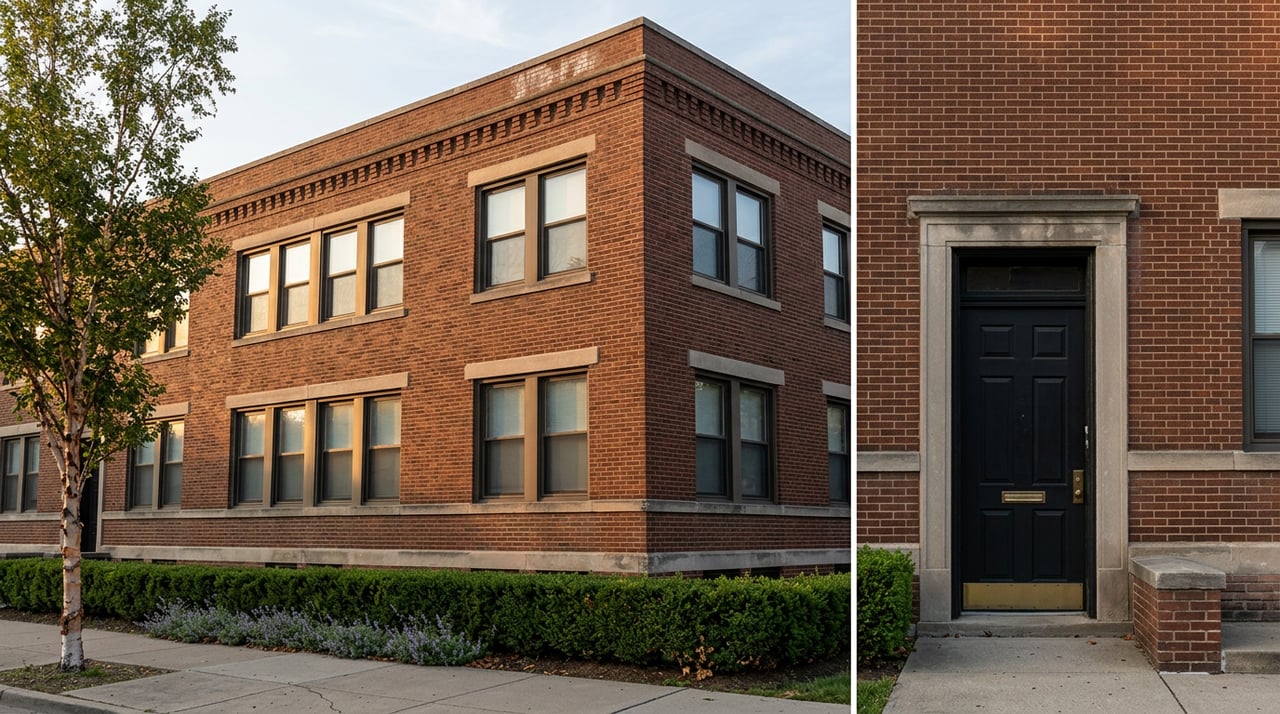
Much of the stock dates from the early to mid-20th century. You will see brick masonry, low-rise walk-ups, flat roofs, masonry porches, plaster walls, and many buildings with older plumbing and electrical systems. Many structures are solid, but deferred maintenance is common.
Typical rehab hotspots include:
Order-of-magnitude budget ranges vary by building and must be verified locally:
These are only guidelines. Always get professional inspections and written bids from local contractors before you close.
Pull current, unit-level rent comps by bedroom count, condition, and utility setup. Cross-check platforms and triangulate with HUD Fair Market Rents to confirm a reasonable range. Expect South Shore rents to sit below many North Side averages. Until you have address-specific history, use a conservative vacancy assumption to reflect marketing time and turnover risk.
Operating expenses can take a substantial share of gross income. Older buildings often require higher maintenance budgets and a stronger reserve for replacement. In Cook County, property taxes can be one of your largest line items and may change after reassessment or improvements. Get the current tax bill, check assessed value history, and plan for possible shifts. Insurance for older, multi-unit buildings can also be higher, so get quotes early and include adequate liability coverage.
Many small investors target higher cap rates in riskier submarkets, but yields vary widely by address, building class, and condition. Use scenarios:
The goal is to test your cushion so you can weather a slower leasing season or a bigger capital repair.
Maintain healthy reserves for both capital expenses and vacancy. Right-sizing reserves is critical with older buildings.
If you plan to lease to voucher holders, learn the Housing Choice Voucher program requirements, including inspections, rent reasonableness tests, and payment processes. Benefits can include reliable rent payments when the program is administered properly. Expect added steps for inspections and documentation.
Crime rates in parts of the South Side can be higher than city averages, and perception affects demand and turnover. Review block-level data when you evaluate an address. Mitigate at the property level with lighting, access control, and consistent, fair tenant screening within legal guidelines.
Pull the property’s building permit and violation history before you go under contract. Chicago’s code enforcement can include fines or orders that follow the property. Clear any outstanding items and confirm you understand rental registration or inspection requirements for your asset type.
For pre-1978 housing, follow lead-based paint disclosure rules and plan for safe work practices or abatement when renovating. Older buildings may also include asbestos-containing materials. Budget for testing and remediation as needed, particularly in full rehabs.
Illinois and Chicago have tenant-protection rules that set notice, deposit, and eviction procedures. Timelines can be longer than in some states. Work with qualified counsel and follow local law to the letter.
Public projects near Jackson Park and along the lakefront may influence future demand and pricing on select corridors. Track official planning documents and community updates, and underwrite conservatively until changes materialize.
Use this list to structure your pre-offer and contract period work:
Local resources to contact early include the Cook County Assessor and Recorder, the City of Chicago Department of Buildings and Code Enforcement, the Chicago Data Portal, HUD resources for Fair Market Rents, and community development groups for neighborhood plans or incentives.
You want more than listings. You want a partner who understands block-by-block value, renovation scope, and property management. Our team combines local deal flow, investor-first analysis, and hands-on rehab and leasing experience so you can move from offer to stabilized operations with fewer surprises.
Here is how we typically support buyers in South Shore:
Ready to evaluate your next South Shore building with a clear plan? Reach out to the Taylor Dixon Group to start your search and get a practical underwriting framework you can trust.
Stay up to date on the latest real estate trends.





Get assistance in determining current property value, crafting a competitive offer, writing and negotiating a contract, and much more. Contact Taylor Dixon Group today to start your home searching journey!