
Condo vs Co-op in Hyde Park: Key Differences for Buyers
December 4, 2025
December 4, 2025
Thinking about buying near the University of Chicago or the lakefront and not sure whether a condo or a co-op fits you best? You are not alone. Many Hyde Park buyers weigh tradeoffs around ownership, financing, approvals, fees, and long-term flexibility. This guide shows you the key differences, what they mean in Chicago, and how to pick the right fit for your goals. Let’s dive in.
A condo gives you a deed to an individual unit plus a shared interest in the building’s common areas. You finance it with a typical mortgage, and your monthly assessment covers common expenses, reserves, and some shared utilities.
A co-op is different. The corporation owns the building, and you buy shares that grant you a proprietary lease for your apartment. You usually use a share loan, and your monthly maintenance often covers most building costs, including property taxes.
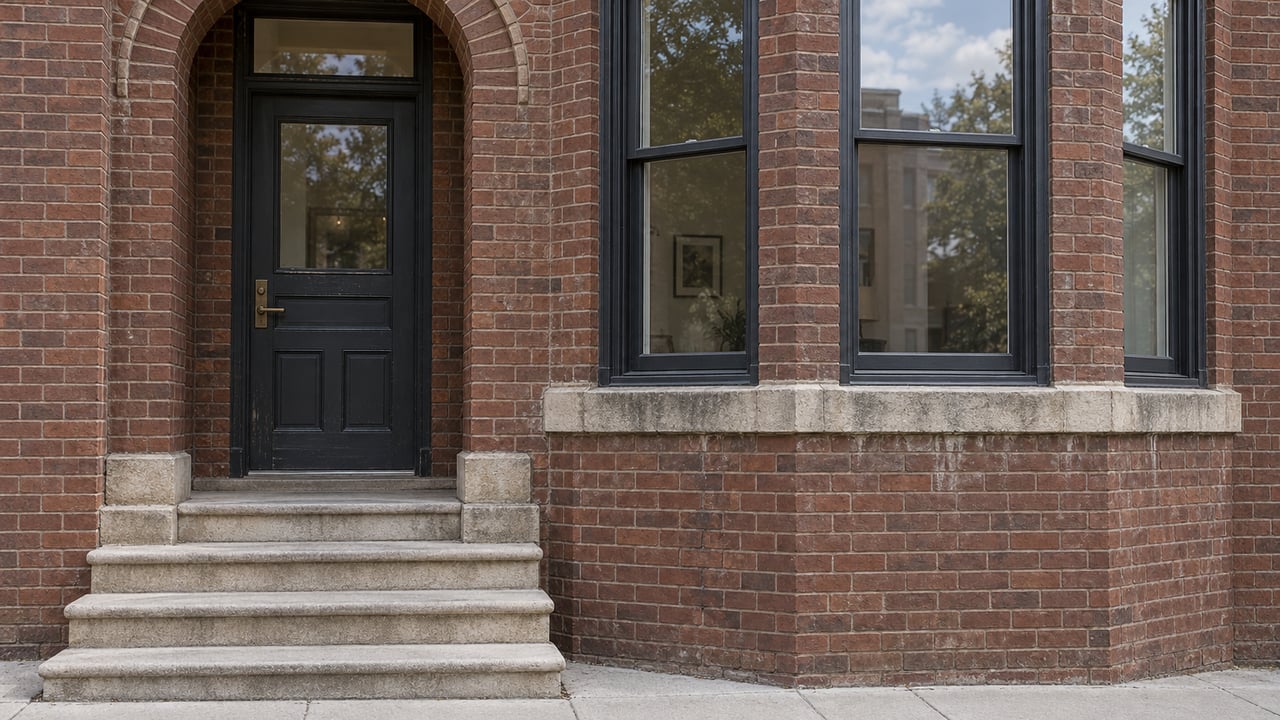
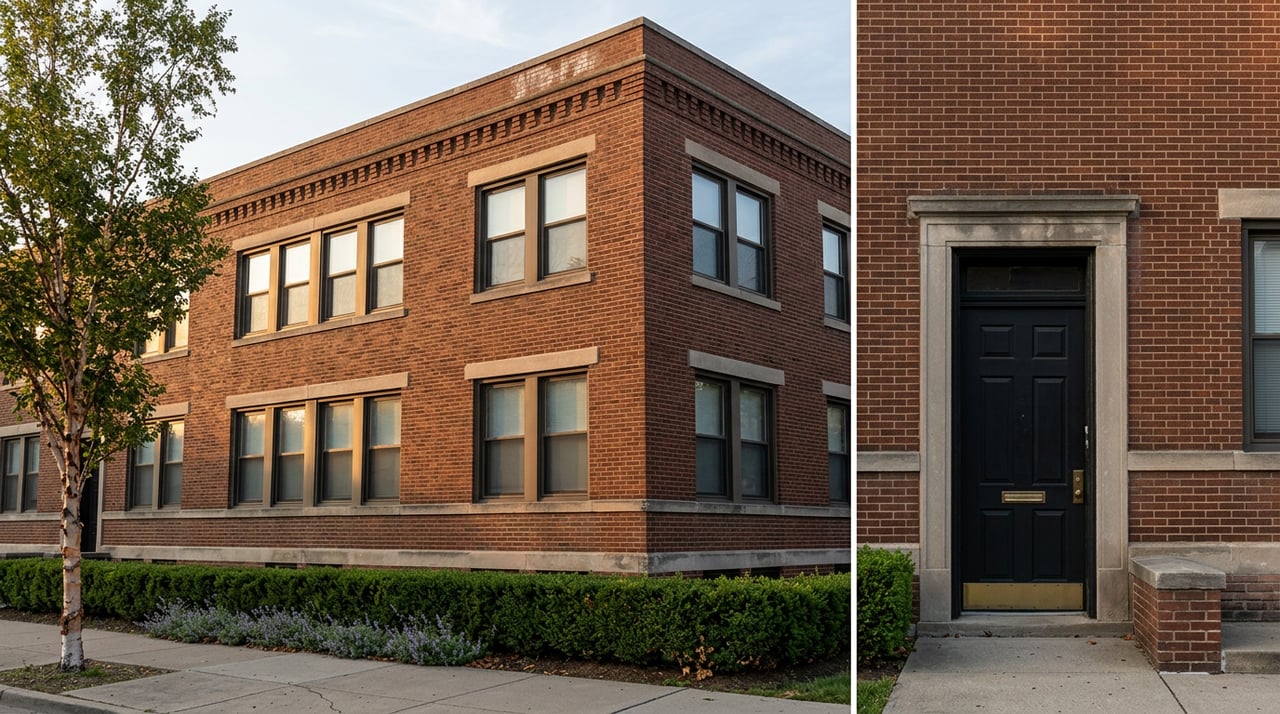
Hyde Park has a mix of pre-war walk-ups, mid-century high-rises, vintage brownstones, and newer lakefront developments. Many older high-rises and historic walk-ups are organized as co-ops. More recent infill and lakefront projects tend to be condos. Always verify the structure on each listing since building age and original setup often determine whether it is a condo or a co-op.
Location matters too. East Hyde Park near Lake Shore Drive often commands a premium. Near-campus addresses can see strong demand from owner-occupants and renters connected to UChicago. These patterns affect pricing, board policies, and rental rules across buildings.
Condo owners receive a real estate deed recorded with Cook County. A condominium association, guided by the Illinois Condominium Property Act, manages rules, budgets, assessments, reserves, and building maintenance. You will review the declaration, bylaws, rules, budget, reserve study, minutes, and a lender estoppel or questionnaire during due diligence.
Co-op buyers receive shares in the corporation and a proprietary lease tied to a specific unit. The corporation’s bylaws and house rules govern approvals, finances, and occupancy. Expect to review the proprietary lease, bylaws, house rules, corporate financials, minutes, and transfer procedures. Because condo law does not apply to co-ops, rights and remedies differ, so document review is essential.
Condos typically qualify for conventional mortgages. Many lenders and agencies require projects to meet guidelines on reserves, owner-occupancy, delinquencies, and litigation. Programs like FHA and VA use project approvals that can expand buyer access, especially for lower down payments.
Co-ops often require a share loan secured by your shares and proprietary lease. Fewer lenders offer these loans, and underwriting can be tighter. Many co-ops expect larger down payments and may set limits on lenders or financing terms. If you plan to use FHA or VA, condos are generally easier. If you need specialized co-op financing, connect early with a lender who works with Chicago co-ops.
Co-ops usually require a full board review, documentation of assets and income, references, and an interview. The board can deny a purchase for stated reasons under its bylaws. The process can add weeks to your timeline. Fair housing laws apply.
Condos have less latitude to block sales. Associations may collect buyer information and confirm compliance with rules, but approvals are usually administrative. Both condos and co-ops set policies on pets, renovations, parking, and storage. Many co-ops near UChicago keep tighter rental rules to prioritize owner-occupancy. Confirm short-term rental policies and any Chicago rules that may apply.
Condo assessments typically cover common area maintenance, management, building insurance for common elements, and reserves. You pay your unit’s property taxes and your HO-6 insurance policy separately.
Co-op maintenance often includes building operations, staff, many utilities, reserves, and the co-op’s full property tax bill, which is allocated to shareholders. This is why co-op maintenance can look higher than condo assessments. Shareholders usually carry a personal property and liability policy, while the corporation insures the building. Review the proprietary lease for insurance requirements.
Condos are generally more liquid. They draw a wider buyer pool, including investors, and are easier to finance and appraise. Co-ops can limit the buyer pool due to board approvals, rental restrictions, and stricter financing, which can slow resale.
In Hyde Park, location, building condition, reserves, and rental policies all influence marketability. If flexibility to rent later matters, condos often work better. If community stability and owner-occupancy matter more, a well-managed co-op may be appealing.
Use this list when you evaluate a specific unit or building.
Watch for issues that could raise your costs or slow resale.
When you find risks, use them to negotiate.
You deserve clear, local guidance from a team that understands Chicago’s condo and co-op landscape and speaks investor as well as homeowner. If you want help aligning your financing, timeline, and long-term plan with the right building, reach out to the Taylor Dixon Group for a focused Hyde Park strategy.
Stay up to date on the latest real estate trends.




Get assistance in determining current property value, crafting a competitive offer, writing and negotiating a contract, and much more. Contact Taylor Dixon Group today to start your home searching journey!