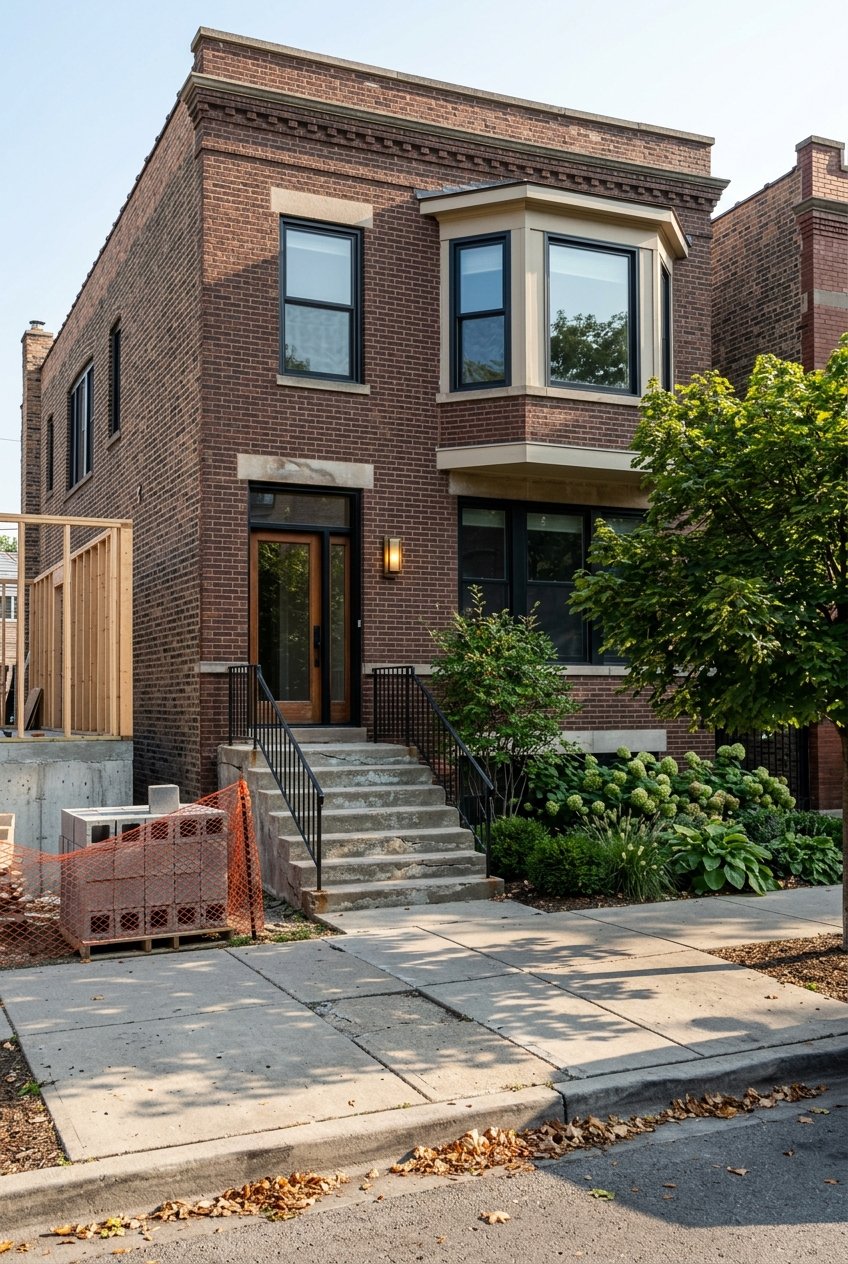
Explore the Woodlawn Neighborhood Lifestyle in Chicago
June 25, 2026
June 25, 2026
If you are looking for a Chicago neighborhood with big green space, everyday transit options, and a development story that is still unfolding, Woodlawn deserves a closer look. You may be weighing lifestyle, convenience, and long-term potential all at once, especially if you want a neighborhood that feels connected to both the lakefront and the city around it. This guide walks you through what daily life in Woodlawn looks like today, from parks and dining to the public investment shaping what comes next. Let’s dive in.
Woodlawn sits on Chicago’s South Side lakefront and borders the southern edge of the University of Chicago campus at 60th Street. That location gives the neighborhood a distinct feel, with residential blocks, major park access, and institutional anchors all influencing daily life.
It is also a neighborhood with a strong cultural legacy and a visible reinvestment story. For you as a buyer, renter, or owner watching the market, that means Woodlawn is not just defined by where it is today, but also by how its parks, commercial corridors, and public projects continue to evolve.
One of Woodlawn’s biggest lifestyle advantages is easy access to outdoor space. Jackson Park is the neighborhood’s defining amenity, and at 551.52 acres, it offers a scale and variety that few city neighborhoods can match.
For everyday use, Jackson Park includes the Wooded Island and Japanese Garden, Bobolink Meadows, cherry blossoms near the Columbian Basin, a vegetable garden, courts, fields, a golf course, a driving range, and an artificial turf field. That mix gives you options whether your ideal weekend means a long walk, lake views, sports, or simply more breathing room close to home.
Jackson Park is not just large. It is layered with different experiences that can make the neighborhood feel more flexible day to day.
Some of the most notable features include:
If your lifestyle depends on nearby outdoor space, this park system is a major part of Woodlawn’s appeal. It supports everything from quick morning walks to full weekend routines without requiring you to leave the neighborhood.
The lakefront is another practical perk, not just a scenic extra. The 63rd Street Beach area includes a renovated historic beach house and is served by several CTA bus routes, including 6, 15, 26, 28, 55, 59, 63, and 67.
That matters because it makes beach access part of normal neighborhood life. Instead of planning a long outing, you can treat the lakefront as an easy extension of your routine.
Woodlawn also benefits from nearby parkland beyond Jackson Park. The Washington Park Natural Area includes over 35 acres of native woodland, prairie, wetland, and aquatic habitat, along with paved and gravel trails.
Midway Plaisance adds another layer of open space just west of Woodlawn. In 2026, the Chicago Park District and the Obama Foundation opened what they described as the city’s first fully inclusive playground there, adding another public amenity for residents and visitors.
Woodlawn’s food scene is best understood as a corridor-based collection of neighborhood businesses rather than one concentrated restaurant row. That gives the area a more lived-in feel, where coffee shops, casual spots, and long-standing local favorites all play a role.
Choose Chicago highlights businesses such as Daley’s Restaurant, Let’s Eat To Live, Build Coffee, Robust Coffee Lounge, Park Supper Club, Leon’s Bar-B-Q & Grill, and Twin Spot Fish & Chicken & Mart. Together, those names point to a dining mix that includes breakfast, coffee, barbecue, quick-service meals, and sit-down options.
The 63rd Street corridor remains an important part of Woodlawn’s identity. It has historic significance as a commercial district that once included retail, restaurants, and jazz clubs, and it continues to function as a key local business area today.
For you, that can translate into a neighborhood experience built around practical convenience as much as destination appeal. You are not just looking at where to grab dinner. You are also looking at where a neighborhood continues to support everyday errands, small business activity, and street-level life.
Woodlawn also has organized business support behind the scenes. The Woodlawn Chamber of Commerce focuses on business development and entrepreneurial support, which aligns with the neighborhood’s broader reinvestment pattern.
The City of Chicago’s Commercial Corridor Storefront Activation program identifies Woodlawn corridor boundaries as 63rd Street from Drexel to King and Stony Island Avenue from Midway Plaisance to 67th, with the Woodlawn Chamber serving as corridor lead. The city says the program is investing $30.5 million across 12 corridors over three years, with grants and technical assistance for commercial-space improvements.
That does not guarantee instant change, but it does point to a structured effort to improve storefront conditions and strengthen neighborhood retail. If you are thinking about Woodlawn from a long-term ownership perspective, that kind of corridor support is worth watching.
Transit access is one of Woodlawn’s most practical advantages. CTA’s Green Line East 63rd branch ends at Cottage Grove in Woodlawn, giving residents a direct rail option tied to the broader city network.
CTA also notes that the 63 bus operates with all-electric buses while serving riders from Woodlawn to Chrysler Village. In addition, Metra’s 63rd Street station at 63rd and Dorchester connects to CTA routes 6, 15, 59, and 63.
For your daily life, that means Woodlawn offers several ways to move through the city without relying fully on a car. Whether you commute downtown, head toward the lakefront, or need flexible transit connections, the neighborhood is more connected than many people expect.
The biggest development story in and around Woodlawn is the Obama Presidential Center. The Obama Foundation says the campus at 6001 S. Stony Island Ave. opened to the public in June 2026.
According to the Foundation, most of the campus is free and open, with gardens, plazas, a playground, a library branch, a cafe, a restaurant, and outdoor paths. Because it sits within historic Jackson Park near Woodlawn’s eastern edge, it adds a major public-facing destination to the neighborhood’s landscape.
For everyday neighborhood life, the most important question is how much activity from the center carries into Woodlawn’s commercial streets and surrounding blocks. More visitors, stronger retail demand, and improved public spaces are all possibilities that residents and buyers may be watching closely.
The key point is that Woodlawn’s development story is tied to both amenities and visibility. As more people spend time in and around Jackson Park, the neighborhood may continue gaining attention from buyers, renters, and local businesses.
Woodlawn’s growth story is not only about new destinations. The City of Chicago’s 2020 Woodlawn Housing Ordinance was designed to protect residents from displacement, expand homeownership opportunities, and support new housing programs connected to the broader development cycle around the Obama Presidential Center.
That policy context matters if you are trying to understand Woodlawn beyond headlines. It shows that neighborhood change here is being discussed not just in terms of investment, but also in terms of how to manage affordability and long-term access to housing.
Woodlawn stands out most where its strengths overlap. You have large-scale park access, lakefront recreation, neighborhood dining, transit connectivity, and a commercial corridor that is still actively being shaped.
That combination can appeal to different types of movers. If you are a buyer who values outdoor access and city connectivity, Woodlawn offers both. If you are thinking longer term, the neighborhood also has the kind of visible reinvestment and corridor support that can make future changes meaningful.
It is important to see Woodlawn clearly for what it is. This is not a polished, finished neighborhood built around one entertainment district. It is an active Chicago neighborhood with established anchors, local business infrastructure, and a development pipeline that is still influencing day-to-day life.
If you are considering a move, sale, or investment decision in Woodlawn, local context matters. The team at Taylor Dixon Group can help you understand how lifestyle, housing options, and neighborhood change come together on the ground.
Stay up to date on the latest real estate trends.


Get assistance in determining current property value, crafting a competitive offer, writing and negotiating a contract, and much more. Contact Taylor Dixon Group today to start your home searching journey!