Your South Loop Living Guide for Daily Chicago Life
June 4, 2026
June 4, 2026
If you want a Chicago neighborhood where daily life feels fast, connected, and full of options, South Loop deserves a close look. It gives you downtown access, lakefront scenery, major transit connections, and a housing mix that ranges from loft conversions to newer high-rises. Whether you are thinking about renting, buying, or simply comparing neighborhoods, this guide will help you picture what everyday living in South Loop actually feels like. Let’s dive in.
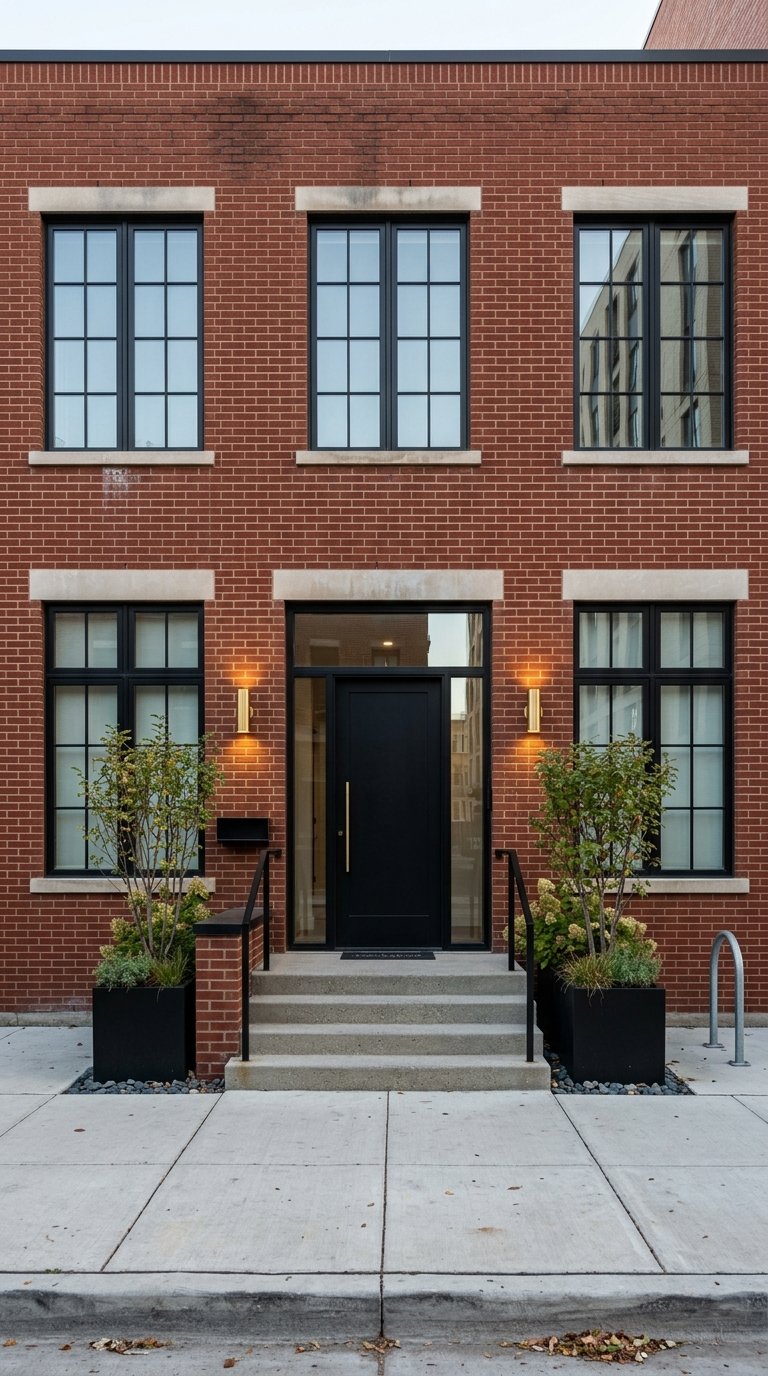
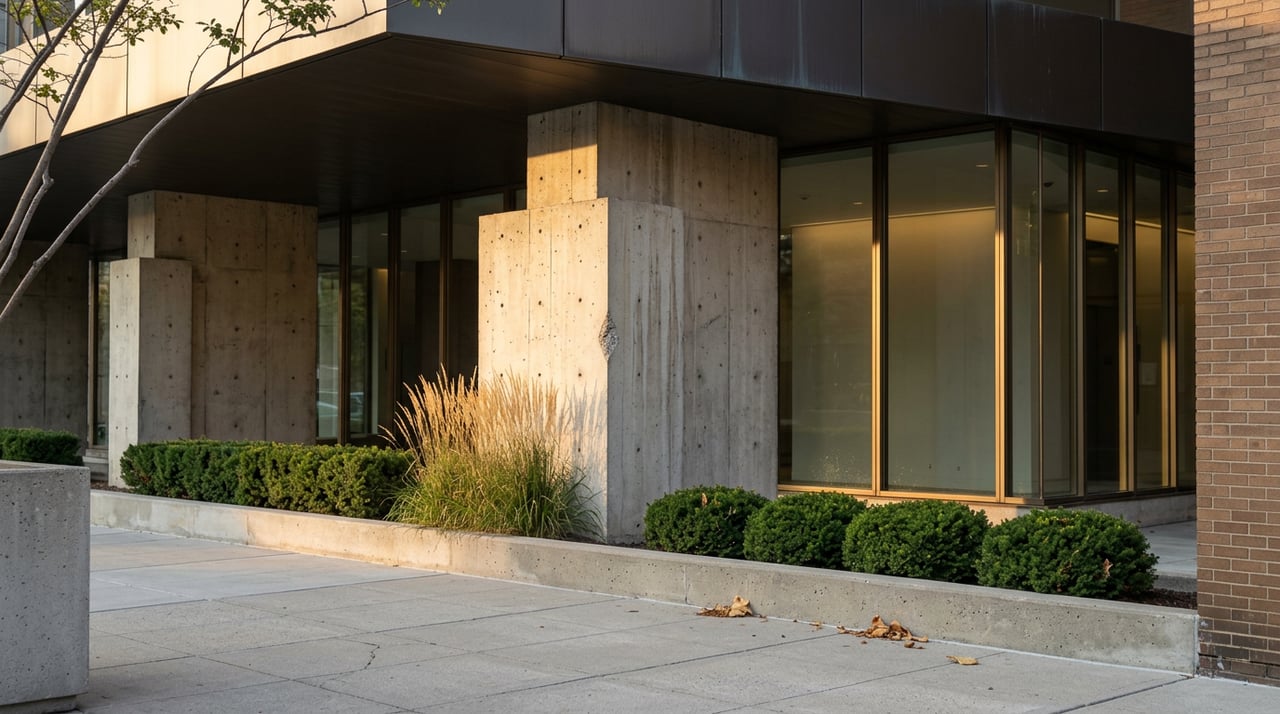
South Loop sits just south of the Loop and also spans part of the Near South Side. The neighborhood blends modern glass towers with older loft buildings and historic areas tied to railroad yards, Printer’s Row, Motor Row, and the Prairie Avenue District. That layered mix gives the area a lived-in, urban feel instead of a one-note downtown vibe.
You will notice that South Loop is built for people who want convenience close at hand. Museums, restaurants, parks, transit, and large residential buildings all shape daily life here. In practical terms, that often means less time spent driving across the city for basics and more time enjoying what is already nearby.
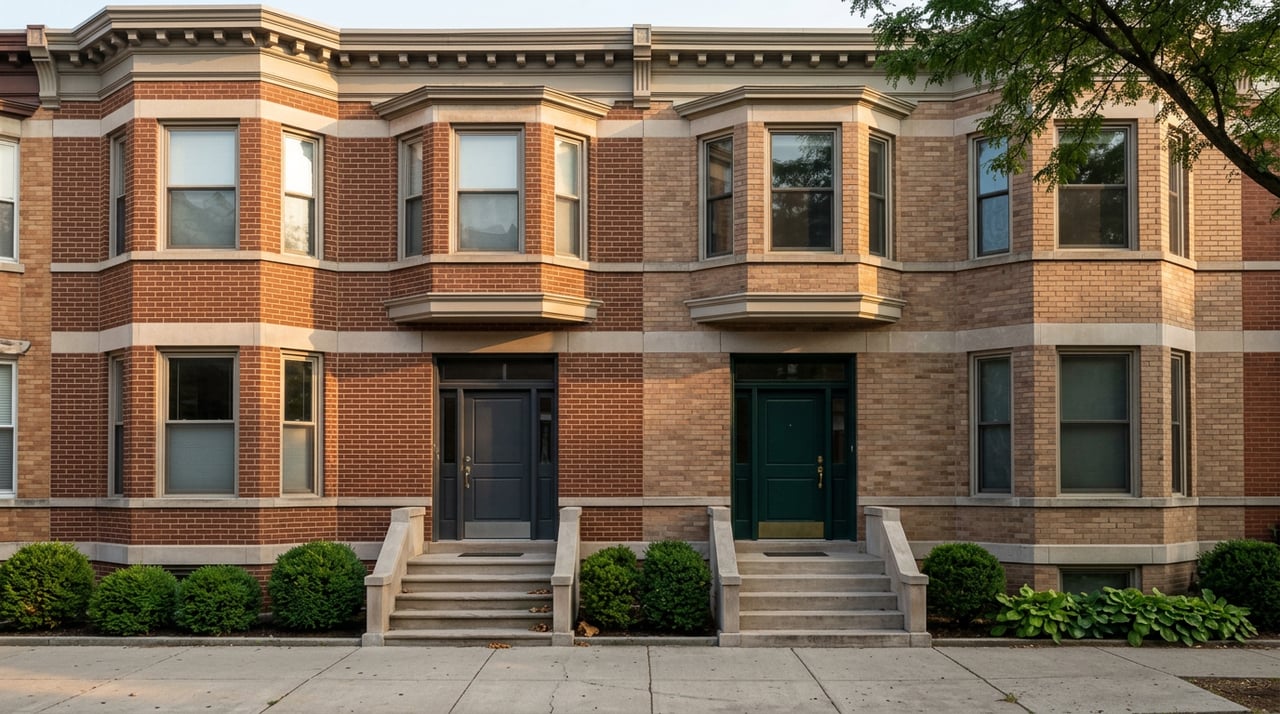
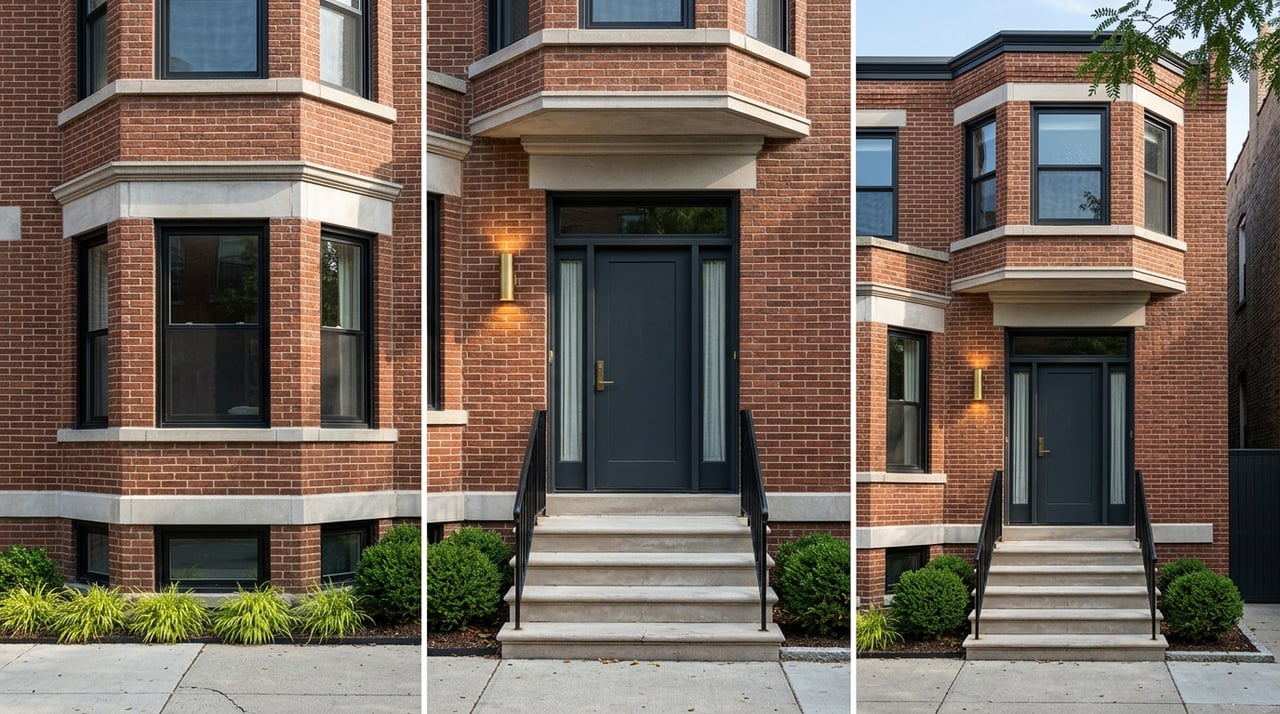
One of South Loop’s biggest strengths is its variety of housing. The neighborhood includes newer residential towers, townhomes, and loft conversions in former printing buildings. That gives you more than one version of city living to consider.
If you like newer construction, you will find buildings that focus heavily on amenities and service. If you prefer character, loft-style homes in older buildings can offer a very different feel. For buyers and renters, that range makes South Loop easier to match with your budget, space needs, and lifestyle preferences.
Many newer South Loop buildings are designed around convenience, not just square footage. Examples in the area advertise features like fitness centers, rooftop pools, resident lounges, package receiving, bike storage, dog runs, front desk staff, and on-site management. In-unit washer and dryer setups are also common in amenity-rich properties.
That matters because your building can shape your routine almost as much as the neighborhood itself. If you want a home base that supports work, workouts, deliveries, and social time, South Loop has a strong inventory of options that prioritize those needs.
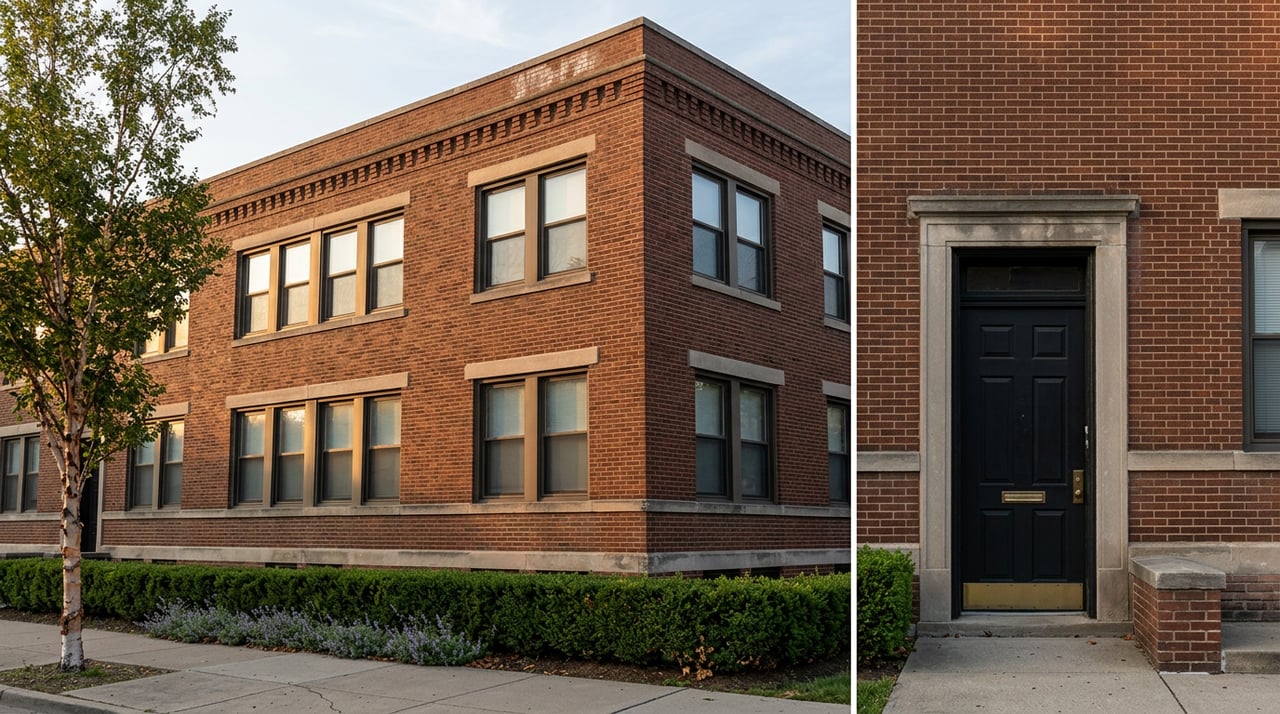
South Loop also appeals to people who want more architectural personality. Loft conversions in former printing buildings help preserve the neighborhood’s connection to Printer’s Row and its industrial past. Along with nearby historic districts, those homes add texture to a neighborhood that might otherwise feel dominated by glass towers.
For some buyers, that blend is the sweet spot. You can enjoy a modern, central location while still finding homes that feel rooted in Chicago history.
Transit is one of the clearest everyday advantages of living in South Loop. Roosevelt is the neighborhood’s main transit hub, with CTA Red, Orange, and Green Line service, along with bus connections on Roosevelt, State, and Michigan. There is also a nearby Metra Roosevelt Road station in Grant Park and indoor bike parking for commuters who mix biking with rail.
On the south end of the neighborhood, Cermak-Chinatown is another important Red Line stop. For commuter rail users, the Rock Island Line runs through LaSalle Street Station, while Metra Electric riders use Van Buren Station and Millennium Station. That range of transit options helps explain why South Loop is such a practical choice for people who need flexibility in how they move around the city and region.
If you commute regularly, it helps to know that CTA notes the State/Lake Loop Elevated station is closed for reconstruction into 2029. That may affect some downtown transfer habits compared with a few years ago. It is a small but useful detail if you are trying to picture your day-to-day routine.
South Loop stands out for its grocery access. Full-service options in and around the neighborhood include Whole Foods at 1101 S Canal, Mariano’s at 1615 S Clark, Trader Joe’s at 1147 S Wabash, and Jewel-Osco locations at 1340 S Canal and 1224 S Wabash. Several of these stores also offer added convenience through pickup, delivery, or pharmacy services.
That concentration of stores can make a real difference in your weekly routine. Depending on where you live in South Loop, there is a good chance you can handle grocery shopping and other basic errands without leaving the neighborhood. For busy professionals, households with packed schedules, or anyone who values walkable convenience, that is a meaningful quality-of-life factor.
For a dense neighborhood, South Loop has impressive access to open space. Grant Park is one of the area’s biggest assets, with Museum Campus, Buckingham Fountain, Maggie Daley Park, and biking and pedestrian trails. Burnham Park extends just south of Grant Park along the lakefront and covers 653.63 acres.
The Lakefront Trail is another major part of everyday life here. Its separated bike and pedestrian routes make it useful not just for recreation, but also for regular walking and cycling. If being close to the water and green space matters to you, South Loop offers that without giving up a central city location.
Maggie Daley Park adds another layer of outdoor activity nearby. The 20-acre park includes a playground, climbing wall, mini golf, skating ribbon, tennis courts, and a formal garden. It also connects to Millennium Park by the BP Pedestrian Bridge.
For residents, that means you are not limited to passive park space. You also have access to more structured recreation when you want it, which can make the neighborhood feel more versatile over time.
South Loop offers more than convenience. It also gives you a strong cultural and entertainment layer that shapes everyday life. Choose Chicago highlights the neighborhood’s connection to Museum Campus, jazz clubs, the Wabash Arts Corridor, Motor Row, and the Prairie Avenue District.
The Wabash Arts Corridor alone includes around 20 large-scale murals across a seven-block stretch. That kind of public art adds visual interest to ordinary walks through the neighborhood. It is one of the reasons South Loop can feel energetic even when you are just heading out for coffee or errands.
Dining options are also broad. Current South Loop listings from Choose Chicago include Indian, Chinese, Mexican, Mediterranean, seafood and steakhouse, and pizza spots, including Chicago Curry House, Mei’s, La Cantina Grill, Apolonia, Chicago Oyster House, and Lou Malnati’s. For residents, that variety means casual weeknight meals and special-occasion dinners can both happen close to home.
South Loop tends to fit people who want a connected, active urban routine. The neighborhood is especially appealing if you value transit access, lakefront parks, museums, restaurants, and amenity-rich buildings while staying close to downtown Chicago. It is more of a busy, event-driven environment than a quiet, low-rise, car-dependent one.
That distinction matters when you are deciding where to live. For some people, the energy around Grant Park, Soldier Field, Wintrust Arena, and major events is a huge plus. For others, it may be a sign to compare South Loop with neighborhoods that offer a calmer pace.
South Loop can be a strong fit if you want:
If your priority is a quieter residential feel with less event traffic and fewer crowds, South Loop may feel too active at times. Knowing that tradeoff upfront can help you make a better long-term decision.
Choosing a neighborhood is about more than square footage or finishes. It is about how your surroundings support your routines, your commute, and the way you want to spend your free time. South Loop performs well for people who want city access and convenience layered together in one place.
That is where local guidance becomes useful. If you are weighing South Loop against other Chicago neighborhoods, it helps to compare not just prices or building styles, but also the rhythm of everyday life. The right choice is the one that fits how you actually want to live.
If you are exploring South Loop or comparing it with other Chicago neighborhoods, Taylor Dixon Group can help you evaluate the lifestyle, housing options, and market opportunities with clear local insight.
Stay up to date on the latest real estate trends.


Get assistance in determining current property value, crafting a competitive offer, writing and negotiating a contract, and much more. Contact Taylor Dixon Group today to start your home searching journey!