South Shore Condo Buying: What to Review First
July 9, 2026
July 9, 2026
If you are thinking about buying a condo in South Shore, the list price is only part of the story. This lakefront Chicago neighborhood offers beach access, park space, and distinctive older buildings, but it also asks you to look closely at the building behind the unit. If you want to buy with confidence, you need to understand how building age, association finances, and lakefront location can shape your long-term costs and day-to-day ownership. Let’s dive in.
South Shore stretches along Lake Michigan from 67th Street to 79th Street, with landmarks like Rainbow Beach and the South Shore Cultural Center helping define the neighborhood’s identity. It is a lakefront area with a strong residential feel and a built environment shaped by homes and apartment buildings along South Shore Drive.
For you as a buyer, that often means South Shore does not feel like a downtown high-rise market. Instead, you are more likely to see a mix of older buildings, varied management styles, and differences in how common areas and major systems have been maintained over time.
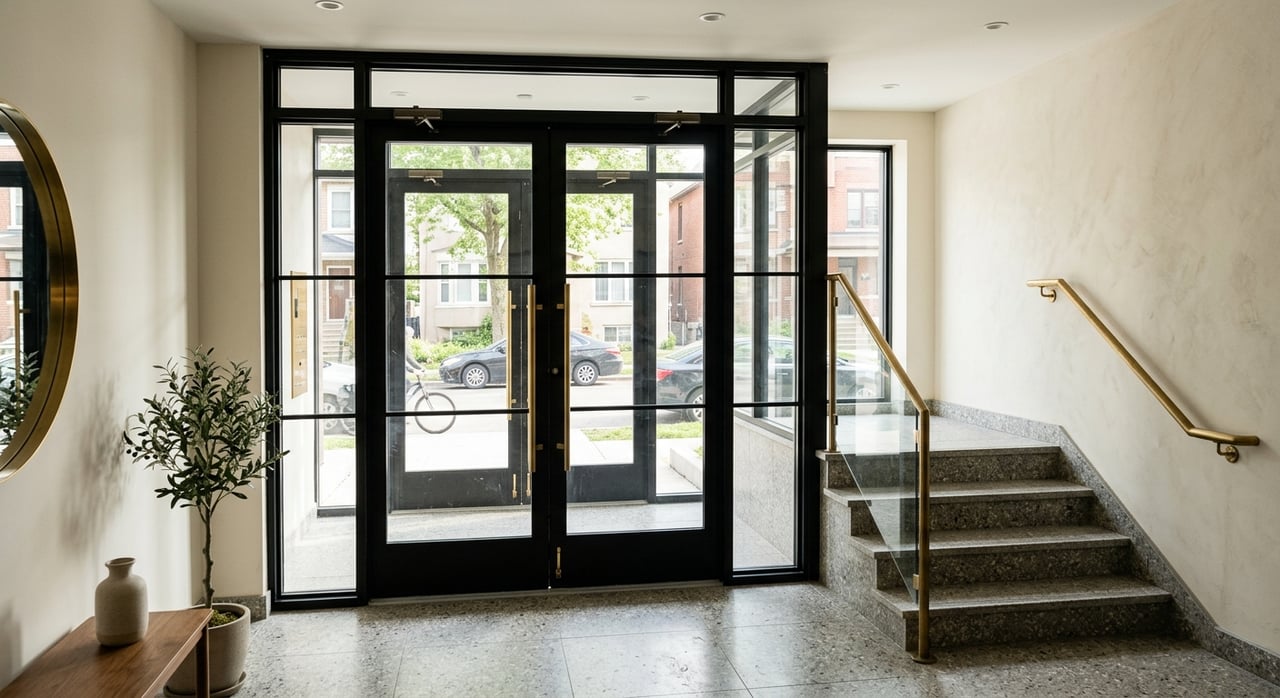
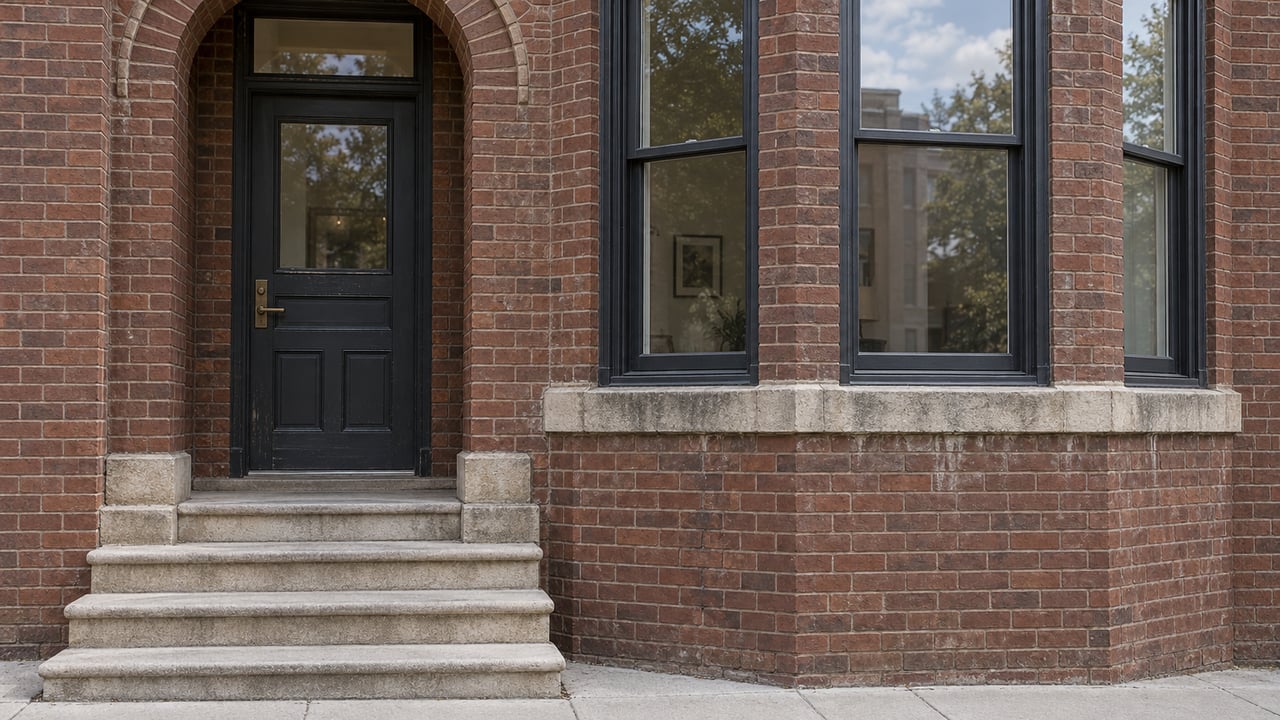
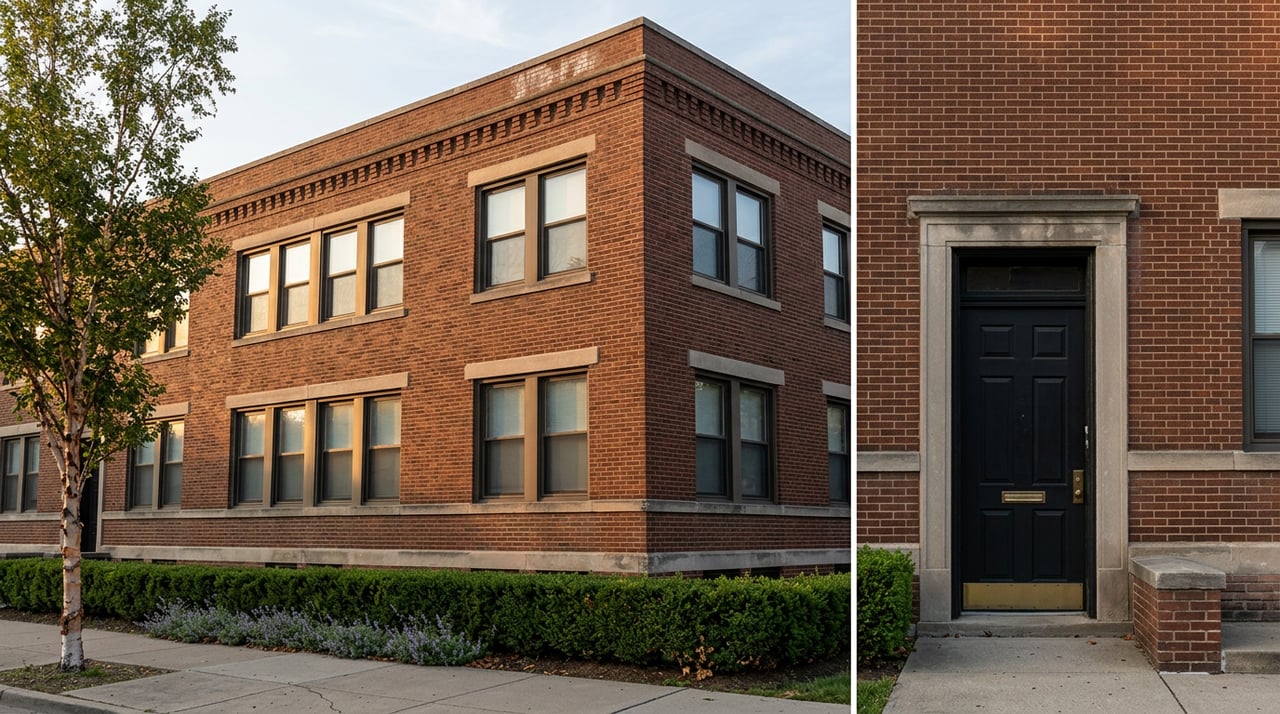
A condo purchase in South Shore is often tied to older Chicago building stock. The South Shore Bungalow Historic District includes hundreds of structures built between 1911 and 1930, including Chicago bungalows, two-flats, and brick apartment buildings with details like decorative brickwork and limestone accents.
That older housing base can be a real draw if you value character and classic architecture. At the same time, it means you should pay close attention to the condition of the roof, windows, plumbing, boilers, elevators, and exterior masonry before you move forward.
When you buy a condo, you are not just buying the unit. You are also buying into the building’s common elements, maintenance history, and financial structure.
In South Shore, that matters even more because many buildings are older or converted. Illinois law requires disclosure of key condo documents, and in conversion situations, buyers are entitled to information about structural components and major utility installations.
Before you get too far into a deal, ask for the documents that help you evaluate the building as a whole:
If the building is a conversion or has substantial age, also ask for documentation related to structural condition and major systems.
One of the biggest mistakes condo buyers make is focusing too heavily on purchase price. In South Shore, a lower asking price does not always lead to a lower monthly housing cost.
Your true carrying cost may include your mortgage, property taxes, homeowner’s insurance, condo dues, parking costs, and any recurring special assessment. Those items can change affordability more than the list price alone.
Illinois condominium law requires boards to prepare annual budgets and provide for reasonable reserves for capital expenditures and deferred maintenance. The law also allows separate assessments for emergencies or legally required work.
That means the strength of the condo association has a direct impact on your ownership experience. A building with limited reserves or major upcoming repairs may create higher monthly costs or surprise assessments later.
As you review a South Shore condo, ask practical questions like:
These questions can help you separate a unit that only looks affordable from one that is truly manageable over time.
In condo purchases, lenders review more than your personal finances. Fannie Mae treats condo-project risk separately from borrower credit risk and looks at issues like financial stability, litigation, insurance adequacy, reserve studies, and project budgets or financial statements.
For you, that means a condo can be appealing on paper but still face financing hurdles if the project itself does not meet lender standards. This is one reason strong document review matters early in the process.
One of South Shore’s biggest draws is direct access to the lakefront. South Shore Cultural Center Park spans more than 70 acres and includes a beach, a nine-hole golf course, a nature sanctuary, and access to the Lakefront Trail.
If your goal is a neighborhood with outdoor space and daily proximity to the water, South Shore offers something many other areas do not. The surrounding parkland and shoreline can shape your lifestyle in a very real way, from morning walks to weekend beach time.
The same lakefront setting that makes South Shore appealing can also create extra questions. Chicago Park District planning materials note that shoreline protection requires ongoing repair, maintenance, and resiliency work, and that high lake levels and storm conditions have caused erosion issues at South Shore Cultural Center and nearby lakefront locations.
For a condo buyer, that means you should ask how the association is planning for exterior exposure, drainage, façade work, and other building needs that may be affected by weather and location.
If a condo is near the lake or directly lake-facing, consider asking:
If a property is in a FEMA-designated Special Flood Hazard Area, flood insurance is likely required. That is another reason to understand both the building’s location and the association’s insurance framework before you commit.
Buyers often compare South Shore with other nearby lakefront neighborhoods, especially Hyde Park. While both offer access to the lake, the neighborhood experience can feel different.
South Shore is more defined by shoreline parkland, beach access, and an older residential building mix. That means your decision may come down not just to the unit itself, but to the type of building, surrounding park access, and the day-to-day environment you want.
If you want to shop more strategically in South Shore, keep this checklist in mind:
In a neighborhood like South Shore, condo shopping is part lifestyle decision and part building analysis. You are weighing lakefront access and architectural character against the realities of association budgets, older systems, and long-term maintenance.
That is where local market knowledge can make a big difference. When you understand how South Shore’s building types, carrying costs, and lakefront setting interact, you can make a cleaner decision and avoid expensive surprises later.
If you are exploring condos in South Shore and want practical guidance grounded in Chicago neighborhood experience, Taylor Dixon Group can help you evaluate the full picture with clarity.
Stay up to date on the latest real estate trends.



Get assistance in determining current property value, crafting a competitive offer, writing and negotiating a contract, and much more. Contact Taylor Dixon Group today to start your home searching journey!