Beverly Bungalow vs Historic Homes: How to Choose
July 2, 2026
July 2, 2026
Wondering whether a Beverly bungalow or a historic home is the better fit for your next move? In Beverly, that choice is about more than curb appeal. You are weighing layout, renovation flexibility, maintenance, and how much house you want to take on day to day. This guide will help you compare both options with Beverly-specific context so you can make a smart, confident decision. Let’s dive in.
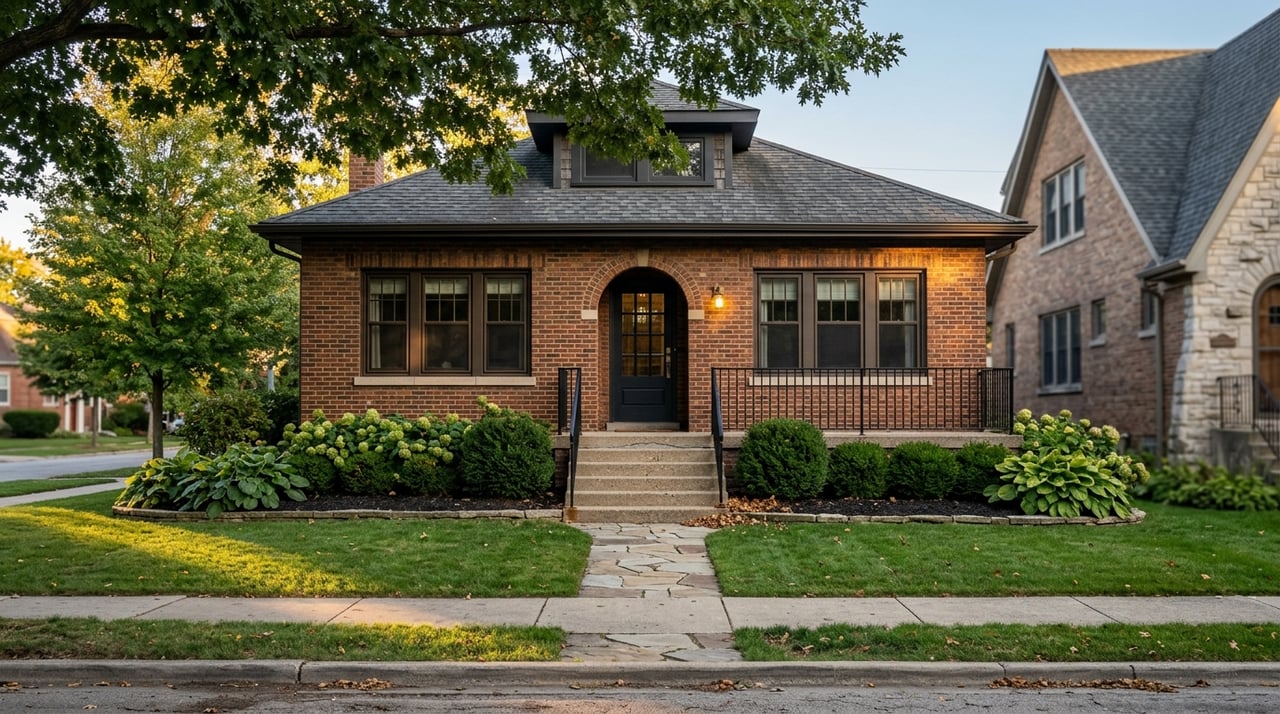
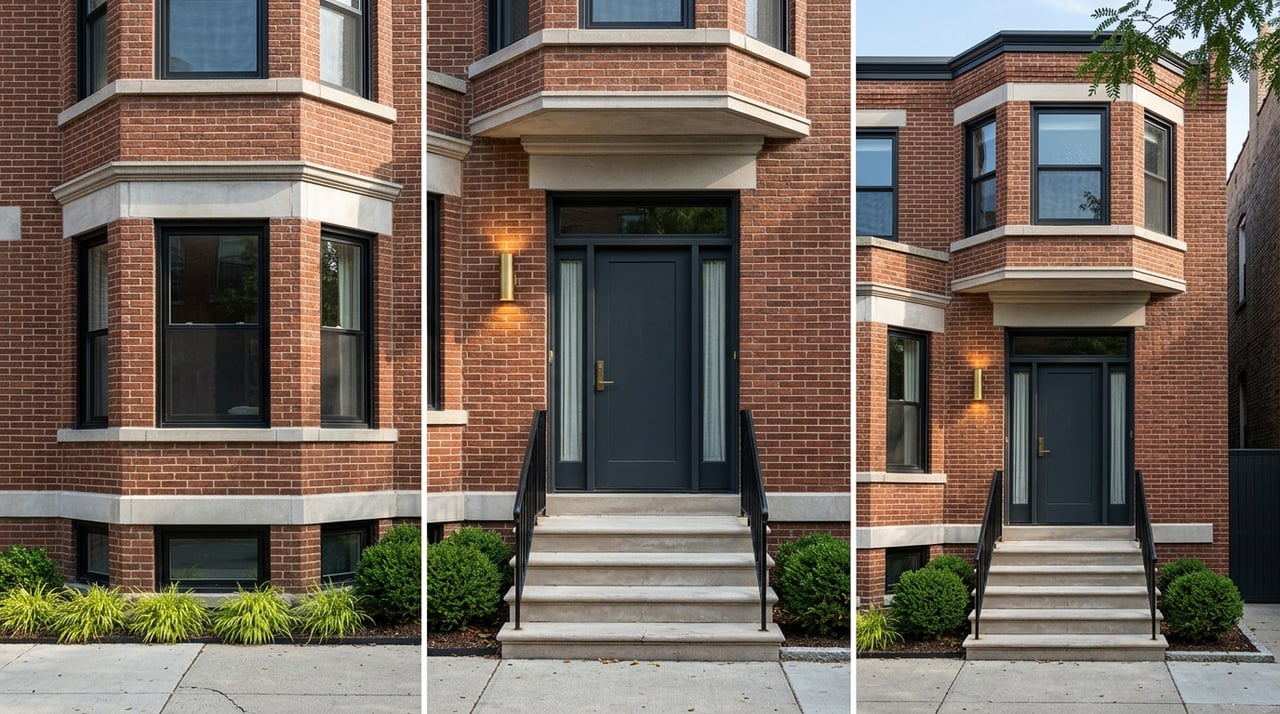
In Beverly, a bungalow usually means a classic Chicago bungalow. These homes are often brick, one and one-half stories over a basement, with low-pitched hipped roofs, wide overhangs, and a front porch with steps. Their design was adapted to Chicago’s standard 25-by-125 lot, and many offer usable attic and basement space that can be finished later.
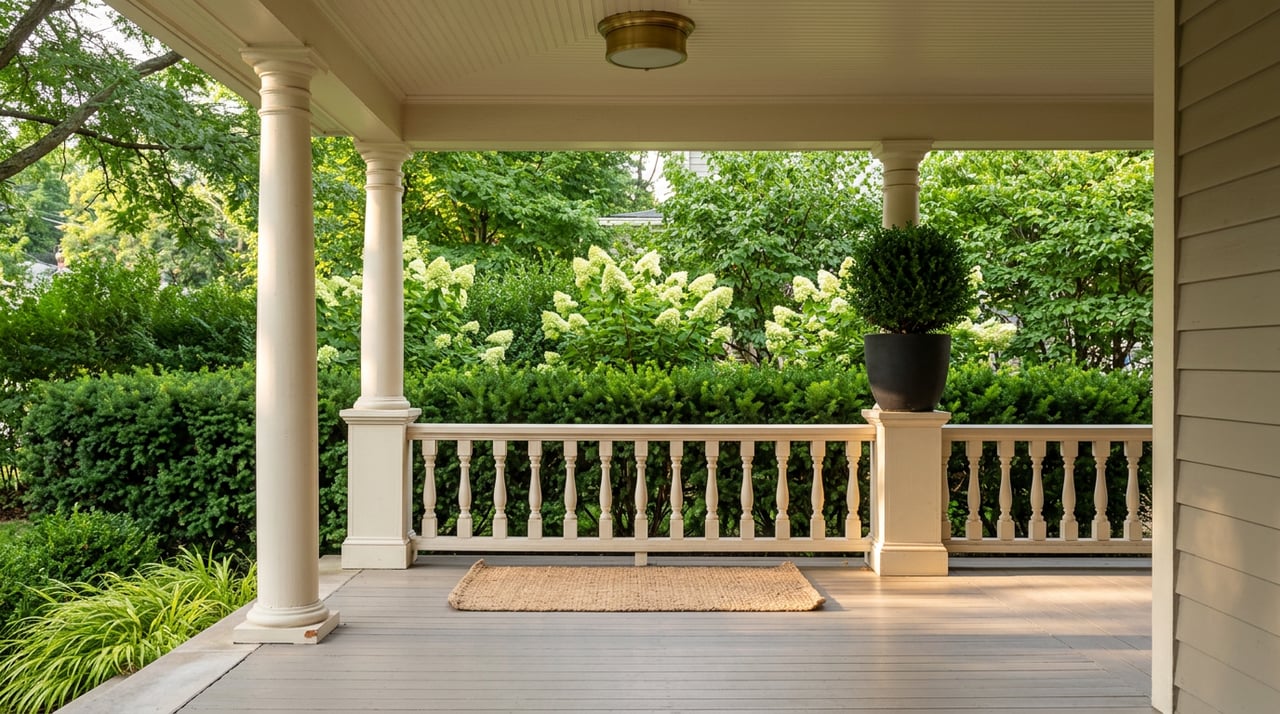
A historic home in Beverly is broader and more varied. The best-known historic pocket is the Longwood Drive District, a 12-block Chicago Landmark area on a natural ridgeline with homes dating from 1873 to 1929. Buyers in this segment may see styles like Italianate, Queen Anne, Prairie School, Renaissance Revival, and Tudor Revival.
Beverly stands out for its tree-lined streets, spacious homes, and strong base of single-family housing. That means buyers here often compare homes with real character on both sides of the equation. You are not choosing between plain and distinctive. You are choosing between two different kinds of character.
That also means labels do not tell the whole story. In Beverly, some bungalows are large and highly updated, while some historic homes are more complex and more expensive to maintain. The better choice usually comes down to how you want to live and what kind of project you are comfortable managing.
Bungalows usually offer a compact, efficient floor plan with more of your everyday living on the main floor. Public and private spaces are typically separated in a straightforward way, which many buyers find easy to live in. If you want a simpler daily flow or fewer stairs in your routine, that can be a real advantage.
Another plus is expansion potential. In many Chicago bungalows, the attic and basement can be finished to create more living space without changing the whole feel of the home. That makes a bungalow appealing if you want room to grow over time.
Historic homes in Beverly often offer more square footage and more vertical separation between living and sleeping areas. Recent examples on Beverly ridge streets have sold at 3,086, 3,674, 3,800, and 4,609 square feet, with four to five bedrooms. While that does not define every historic home, it does suggest that many offer a larger and taller living pattern than a typical bungalow.
If you want more distinct separation between floors or need more overall space, a historic home may fit better. These homes can feel more expansive, with architecture that creates a strong sense of identity from room to room.
For many buyers, bungalows are the easier project to tackle in stages. Their basic shell is usually straightforward, and finishing the attic or basement can add flexibility over time. Chicago bungalow guidance also encourages sympathetic rehabilitation and energy-efficiency improvements, which lines up well with buyers who want to improve a home gradually.
That can be especially helpful if you are balancing budget with long-term plans. Instead of taking on a full top-to-bottom renovation at once, you may be able to prioritize the work in phases.
Historic homes can absolutely be renovated, but you need to confirm whether the property sits within a landmark district. In landmark districts, significant exterior features visible from the public right-of-way are typically subject to the Chicago Landmarks permit-review process. That does not stop upgrades, but it can shape how and when exterior work gets approved.
Routine maintenance is handled differently. According to the City of Chicago landmark guidance, painting and minor repairs do not require a building permit. If you are considering a historic home, it is worth understanding early whether your renovation plans involve visible exterior changes.
Older homes often need more attention to insulation and air sealing than newer construction. The U.S. Department of Energy notes that many older homes have less insulation, and upgrades like air sealing, caulking, weatherstripping, and added insulation can improve comfort and reduce heating and cooling costs.
In practical terms, that means both home types may need efficiency upgrades. Bungalows may feel more manageable day to day, while historic homes may require a more preservation-minded approach, especially if exterior work is more constrained in a landmark setting. Neither is automatically better. The right fit depends on your time, budget, and comfort with ongoing upkeep.
As of May 2026, Beverly’s median sale price across all home types was $444,850, and average days on market were 68. That points to a market where pricing can vary widely based on condition, size, and location.
Bungalow sales show a broad range. A remodeled Beverly bungalow at 2742 W 103rd St sold for $300,000, an oversized Longwood bungalow sold for $635,000, and a renovated craftsman bungalow on Seeley sold for $765,000.
Historic-home examples also reach the upper end of the market. A five-bedroom, four-bath, 3,800-square-foot home on Beverly Glen sold for $570,000, while a four-bedroom Tudor Revival on Longwood Drive sold for $1.1 million.
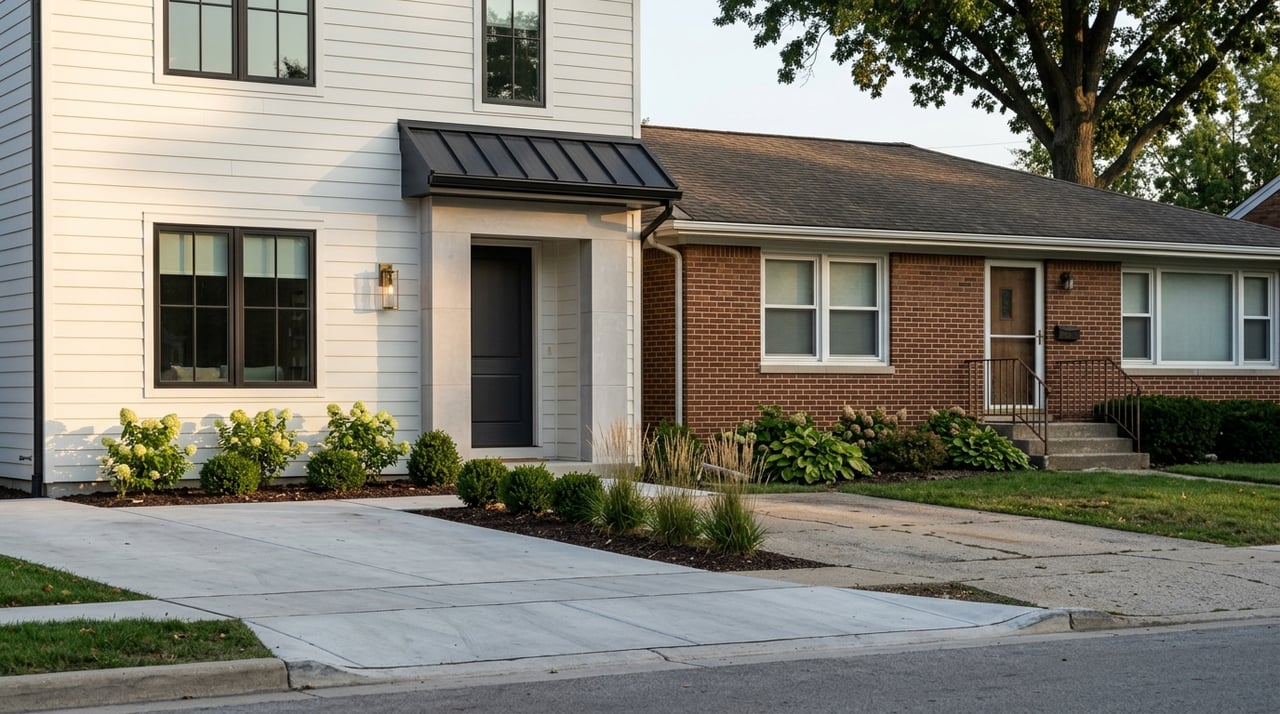
No. That is one of the biggest misconceptions buyers bring into this search. In Beverly, there is real price overlap between bungalows and historic homes, especially when a bungalow is oversized or extensively renovated.
What matters most is often the combination of location, condition, square footage, and finish level. A style label can point you in the right direction, but it should not be your only filter.
A bungalow may be the better fit if you want:
For many buyers, a bungalow offers a strong middle ground. You get charm, function, and the chance to improve the home over time without necessarily stepping into a more complex preservation process.
A historic home may be the better fit if you want:
For the right buyer, a historic home offers scale and architectural pedigree that is hard to replicate. The tradeoff is that you may need a bigger maintenance budget and more planning around future exterior changes.
If you are torn between the two, start with your lifestyle before you focus on style. Ask yourself how much space you actually use, how much renovation you want to manage, and whether you want a house that feels efficient or expansive.
Then look at the property-specific details. In Beverly, there are bungalows that compete with smaller historic homes on price and presence, and there are historic homes that justify their premium with size and architecture. The smart move is to compare each home as an individual asset, not just as a category.
If you want local guidance on Beverly homes, renovation-minded buying, or how to compare value across different property types, connect with Taylor Dixon Group. Their neighborhood knowledge and practical rehab experience can help you evaluate which home style fits your goals best.
Stay up to date on the latest real estate trends.
Get assistance in determining current property value, crafting a competitive offer, writing and negotiating a contract, and much more. Contact Taylor Dixon Group today to start your home searching journey!