Selling A Rehabbed Greystone In Oakland, Chicago
May 21, 2026
May 21, 2026
If you are selling a rehabbed greystone in Oakland, you are not just putting a renovated property on the market. You are telling the story of a vintage Chicago building in a neighborhood with real architectural history, and buyers will notice the difference. When you price it well, document the rehab clearly, and present the property with care, you can give buyers confidence and help your listing stand out. Let’s dive in.
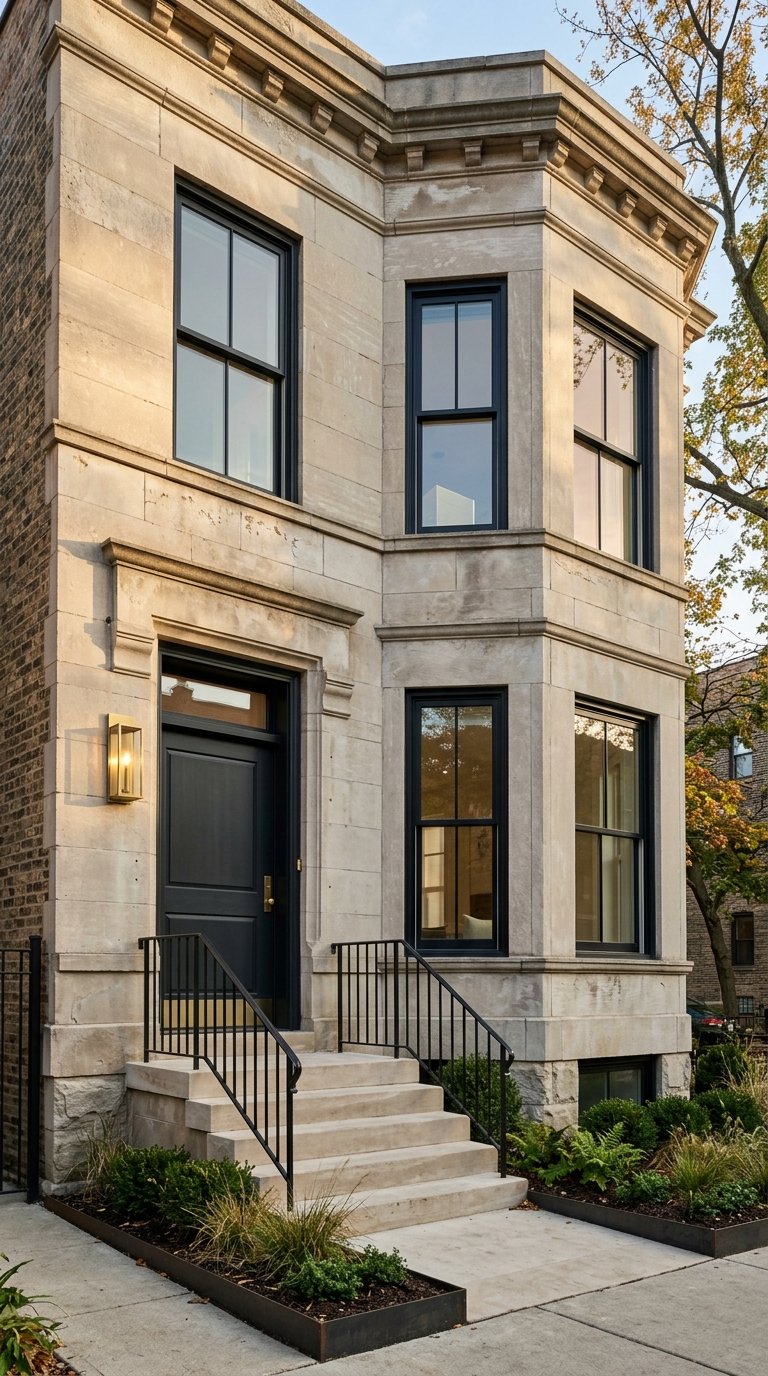
Oakland has a distinct historic identity, and that matters when you market a rehabbed greystone. The Oakland District is a designated Chicago Landmark District, adopted in 1992, and the city describes it as an early premier residential neighborhood with surviving rowhouses and single-family homes in styles like Classical Revival, Queen Anne, and Richardsonian Romanesque.
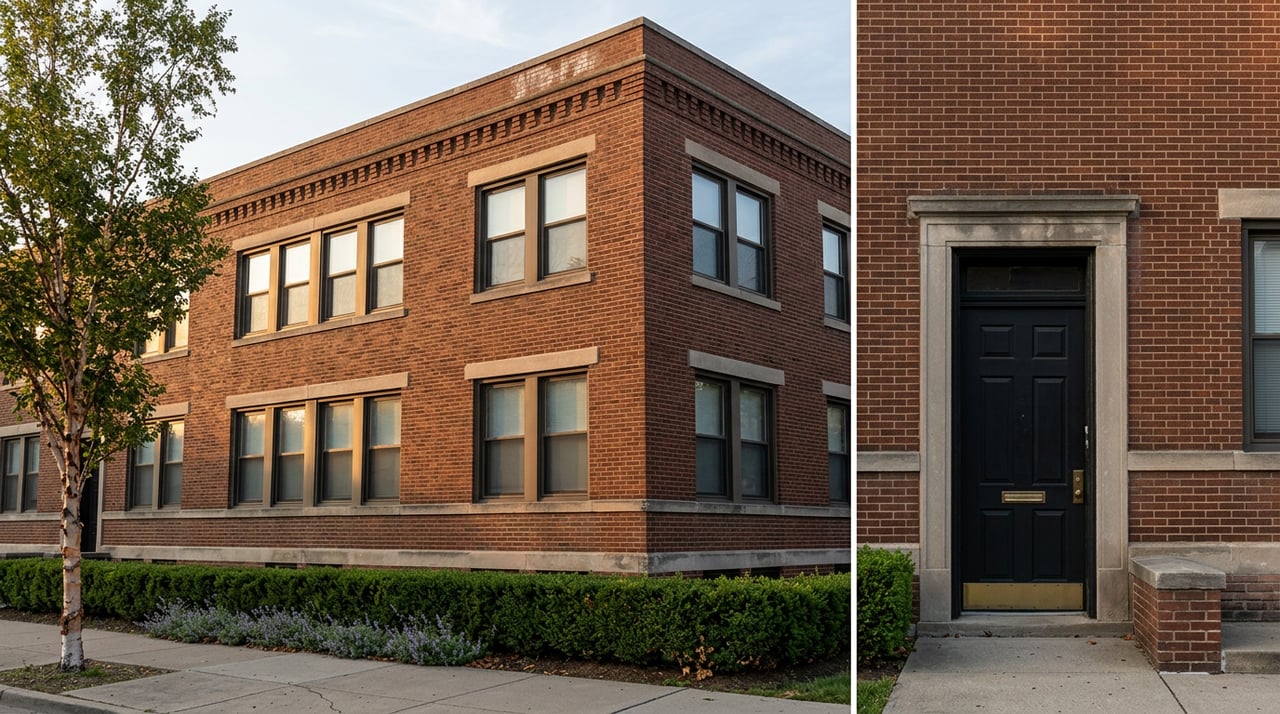
For many sellers, that changes the conversation. A greystone is not simply an updated older home. It is a limestone-fronted Chicago property, often built between about 1890 and 1940, with architectural character that can become part of the value story.
If your property sits within the landmark district, exterior features visible from the public right-of-way may be especially important. The City of Chicago reviews permits affecting designated landmarks and landmark districts, and that means buyers may pay close attention to how the rehab respected the building’s visible historic character.
That is not necessarily a drawback. The city notes that landmark status can enhance prestige, and it also states that studies generally have not shown a negative impact on property values.
Buyers often feel more confident when a seller can explain what the building is, when it was built, and what was improved. For older Oakland properties, the City of Chicago Historic Resources Survey can provide useful background such as construction date, architect, style, landmark status, and other property identifiers for pre-1940 buildings.
That kind of context helps your listing feel more credible. It also supports a stronger marketing narrative, especially when your rehab blends modern function with preserved character.
Pricing a rehabbed greystone in Oakland takes more than checking one neighborhood headline. Recent Oakland market snapshots vary by source and by metric, which is a good reminder that your price should reflect the actual property, its condition, and the most relevant comparable sales.
For example, Redfin’s March 2026 data shows a median sale price of $293,079 and median days on market of 120. Realtor.com currently shows a median listing price of $370,000 and median days on market of 46. That gap tells you something important: broad stats can frame the market, but they should not decide your price on their own.
Redfin also describes Oakland as somewhat competitive. In a market like that, buyers can still push back if the price feels disconnected from the quality of the rehab or the documentation behind it.
For a rehabbed greystone, buyers are usually weighing more than square footage. They are comparing architectural character, visible workmanship, major system updates, and the overall care shown in the renovation.
If your property is a single-family home, the pricing discussion may center on design, condition, and how well the rehab supports move-in readiness. If it is a 2-flat, 3-flat, 4-flat, or another small multifamily property, the conversation may also include income potential and operating history.
If the building has rental income, investment-minded buyers typically want to see more than photos and finish details. Apartment-sale buyers commonly review rent rolls and operating statements along with physical-condition information.
That means your asking price needs to make sense from both angles. The renovation has to look strong, but the numbers also need to feel legible and realistic.
A rehabbed greystone often gets reviewed like a risk file, not just a design piece. That is especially true in older Chicago buildings, where buyers and inspectors tend to focus on the systems and defect categories that can affect cost, safety, and long-term upkeep.
Illinois law requires sellers of residential real property to provide the disclosure report before the contract is signed. Sellers must disclose material defects they actually know about, and the law makes clear that rehabilitation of an existing residential property is not treated the same as a newly constructed, never-occupied property.
In other words, a rehabbed greystone still falls within the normal Illinois disclosure framework. You should be prepared for buyers to ask direct questions and expect clear answers.
The Illinois disclosure form specifically asks about:
These are not minor details in an older property. They are the exact categories many buyers, inspectors, and attorneys will review carefully during the transaction.
One of the best ways to sell a rehabbed greystone is to make the work easy to understand. A clear, organized pre-listing packet can reduce buyer hesitation, support pricing, and help you answer questions before they grow into objections.
For most sellers, that packet should include core property records and rehab documentation. The goal is simple: show what was done, when it was done, and how the property has been maintained.
A solid pre-listing package may include:
When these items are organized upfront, you can price more accurately and move through due diligence with fewer surprises.
If your Oakland greystone is a small multifamily property, buyers will likely want an additional layer of financial and operational detail. Standard due diligence for income property often includes:
This documentation helps prove that the rehab is not just visually appealing. It also shows that the building is physically sound and financially understandable.
Even a well-executed renovation can underperform if the presentation is weak. Buyers often decide whether a property feels special within the first few images, and that is especially true for an Oakland greystone where exterior character carries real weight.
High-quality listing photos are critical. In this setting, the most persuasive images often highlight the façade, stonework, windows, entry sequence, and any restored historic details that signal both character and care.
Your marketing should help buyers connect the rehab to the building’s identity. Instead of presenting the property as just another renovated listing, frame it as a preservation-conscious update that blends modern function with visible Oakland character.
That can include highlighting:
This approach aligns with the city’s view that landmarked properties can be a prestige asset. It also reassures buyers that the rehab was completed thoughtfully rather than cosmetically.
Not every property needs a major final push before it goes live. But if your rehab still needs cleanup or finishing touches, targeted improvements can help your greystone show better without overcomplicating the process.
When hiring contractors for additional work, it is wise to use licensed and insured professionals, work from a written scope, and clarify who is handling permits and approvals. That structure can help avoid confusion right before the listing launches.
NAR’s 2025 Remodeling Impact Report also found especially strong resale recovery for smaller targeted upgrades such as steel front doors, closet renovations, and fiberglass front doors. For many sellers, that supports a focused strategy instead of chasing every possible improvement.
For sellers who want help preparing the property, Compass Concierge may be a useful option. Compass states that Concierge fronts the cost of services such as staging, flooring, and painting, with zero due until closing, subject to terms and possible state fees or interest.
That can be helpful when you want to improve presentation without paying all those costs upfront. For a rehabbed greystone, those finishing touches may help the listing feel more complete and more market-ready.
Compass also positions Private Exclusives and Coming Soon as tools to build demand before a full MLS launch. That may be useful if your property is still being polished, or if you want to test pricing and early buyer interest carefully.
For the right Oakland listing, this phased approach can create a more controlled rollout. It can also give you time to tighten the story around the rehab, the historic context, and the building’s income or owner-occupant appeal.
Selling a rehabbed greystone in Oakland is rarely a one-size-fits-all process. Historic context, renovation quality, pricing discipline, and documentation all play a bigger role here than they might in a more standard resale.
The strongest sales usually come from a simple formula: respect the building, prove the work, and market it to the right audience. When your listing strategy reflects both Oakland’s architectural character and the practical questions buyers will ask, you put yourself in a stronger position to earn serious attention.
If you are preparing to sell and want a strategy built around local knowledge, rehab experience, and high-quality marketing, connect with Taylor Dixon Group for guidance tailored to your Oakland property.
Stay up to date on the latest real estate trends.


Get assistance in determining current property value, crafting a competitive offer, writing and negotiating a contract, and much more. Contact Taylor Dixon Group today to start your home searching journey!