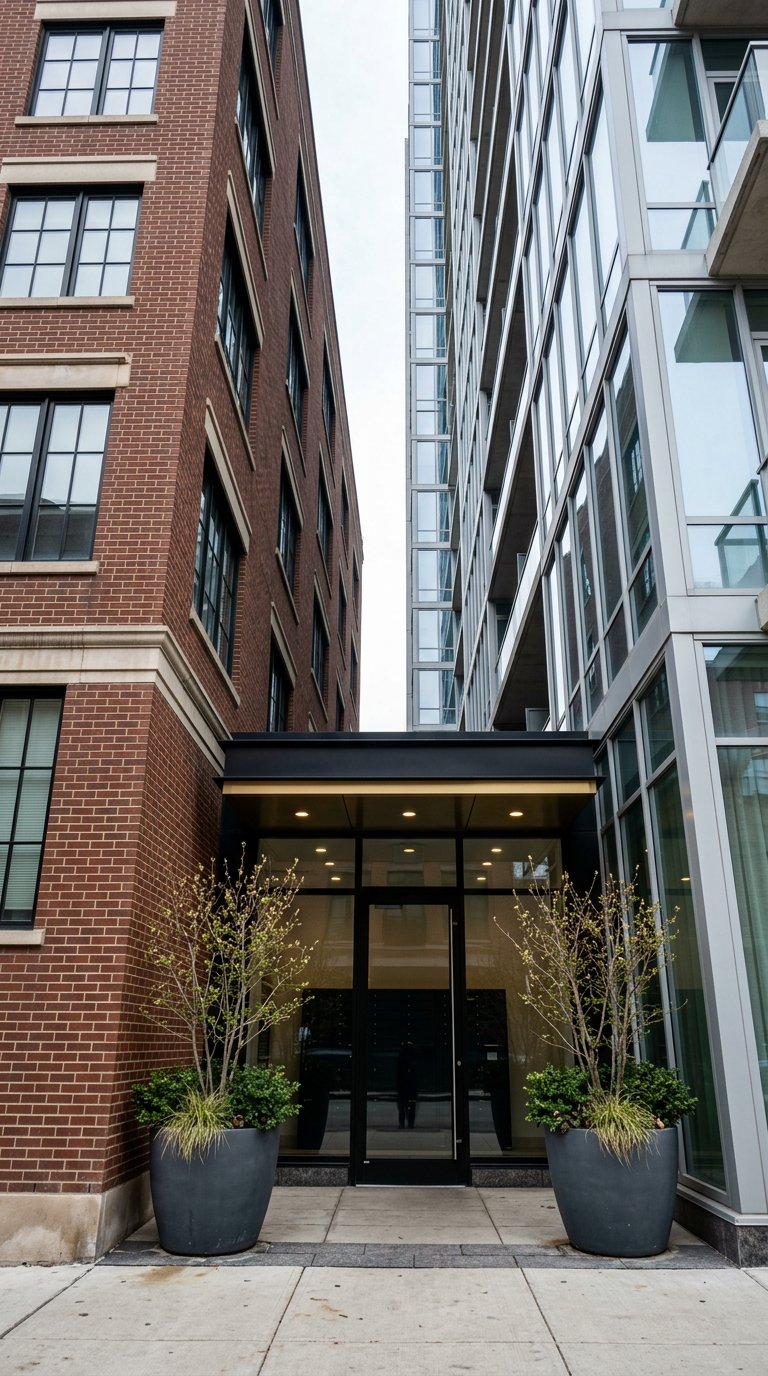
South Loop High Rise vs Low Rise: How to Choose
March 24, 2026
March 24, 2026
Trying to choose between a glittering high-rise and a character-filled low-rise in Chicago’s South Loop? It’s an exciting decision, but the right pick depends on your lifestyle, monthly budget, and risk comfort with building expenses. You want great views and amenities without surprise assessments, and you want strong resale potential when it is time to move on. This guide breaks down the trade-offs, shows you what drives assessments in Chicago, and gives you a step-by-step checklist to judge HOA health before you buy. Let’s dive in.
The South Loop sits just south of the central business district with quick access to Grant Park and the Museum Campus. It mixes older masonry buildings and loft conversions with newer, amenity-rich towers. This blend creates real choices for buyers who value either skyline views or quieter, smaller buildings. Ongoing projects like the riverfront Riverline plan continue to shape the neighborhood and may influence future views and amenity competition (learn more about Riverline’s scope).
Recent market data shows a median sale price around $379,500 as of February 2026, with average days on market near 91. That means you’ll likely find choices across price points, but the best values still move with preparation and a clear plan. In this market, the building you choose can be as important as the unit itself.
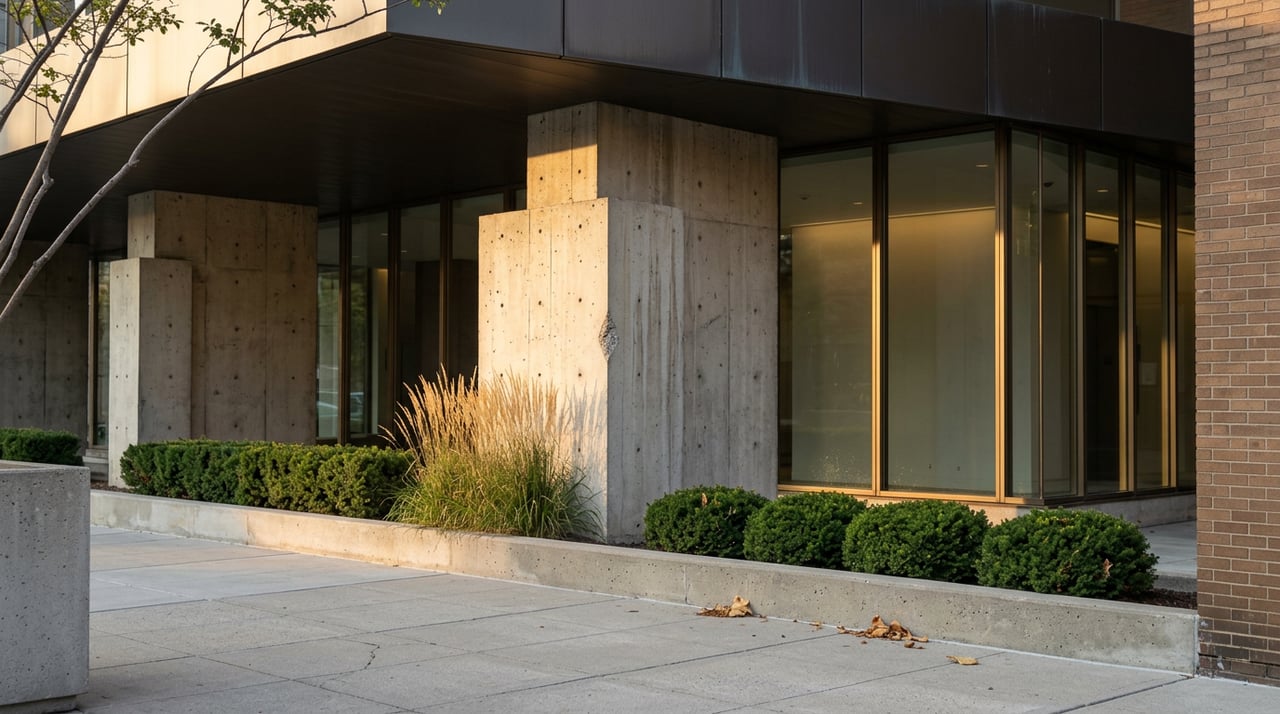
High-rise towers in the South Loop often offer full-service living: doormen or concierge teams, staffed lobbies, pools, fitness centers, package rooms, guest suites, and on-site management. These features are convenient, and higher floors can deliver sweeping skyline or lake views. The trade-off is cost. Those amenities and large shared systems increase monthly HOA dues and can lead to costly capital projects over time.
In Chicago, buildings roughly 80 feet and taller are subject to the city’s Exterior Wall program, which requires periodic façade inspections and repairs when issues are found. That can create major projects in taller buildings, especially those with curtain walls or extensive glazing (review the city’s exterior wall rules). Common systems like multiple elevators, central HVAC chillers, and parking garages also raise the stakes. HOA fees in full-service towers can reach the higher end of the market, and when reserves are thin, large projects may force special assessments.
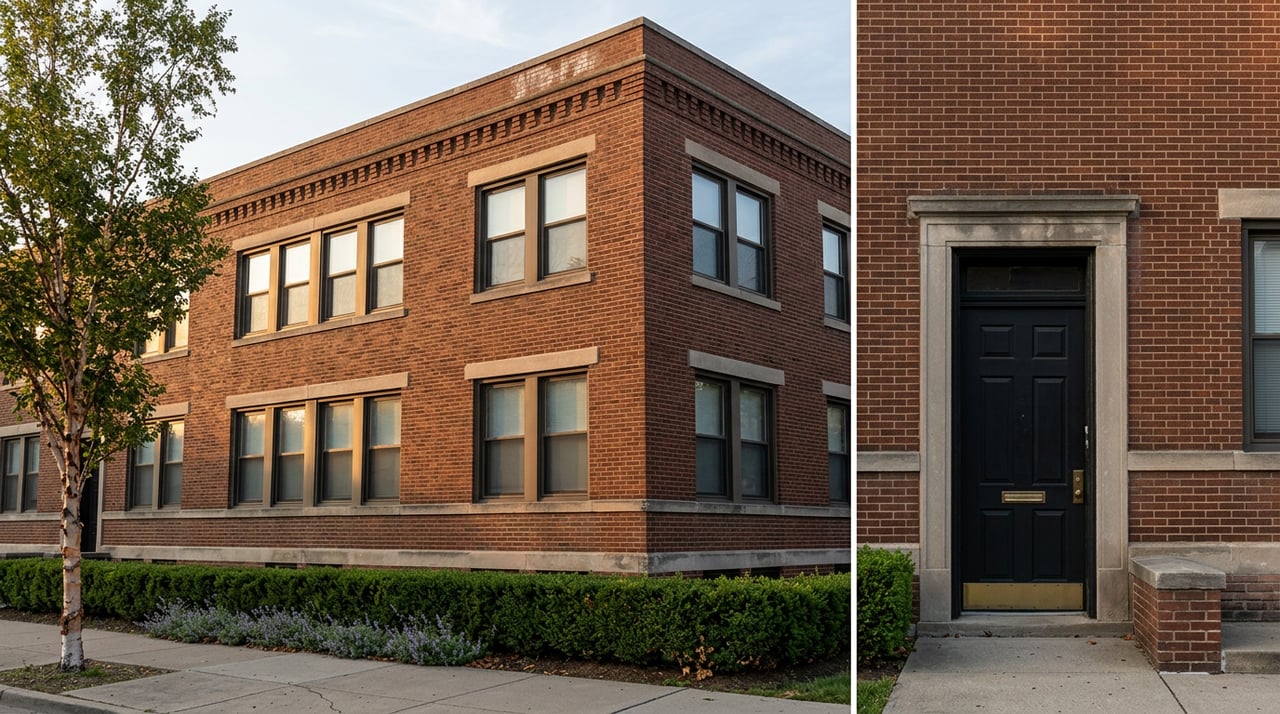
Smaller masonry mid-rises, walk-ups, and loft conversions often feel more intimate and may have fewer staffed services. You might see a basic fitness room or shared roof deck rather than a full amenity suite. With fewer large mechanical plants, there can be fewer seven-figure projects, which may help keep monthly assessments lower. That said, older buildings can face targeted envelope and plumbing needs such as roof work, parapet repairs, waterproofing, or plumbing risers.
HOA dues in these buildings tend to reflect the simpler amenity package. Basic buildings can fall in a lower monthly range, while mid-amenity options sit in the middle band. Always review the actual budget and reserve study for the building you’re considering, since fees vary widely by size, age, and services.
Large assessments usually start with big-ticket common elements. In Chicago, frequent triggers include the following:
Here is a simple example. A tower’s curtain-wall replacement or major façade remediation can sit in the multi-million-dollar range. Split across units, even a well-planned project can translate into four-figure special assessments per owner if reserves are underfunded. Chicago’s exterior wall inspection requirements are designed to keep buildings safe, but they also surface issues that often must be addressed on a timetable (see the city’s inspection framework).
Illinois law gives you a clear starting point. Under the Illinois Condominium Property Act, the seller must provide a resale disclosure package that includes governing documents, a statement of anticipated capital expenditures for the current or next two fiscal years, the reserve balance, and the projected budget, among other items. Use this packet to anchor your due diligence (read Section 22.1 requirements).
Request these documents as soon as you are under contract:
A reserve study lists the major common components, estimates useful lives, and projects replacement costs and recommended annual funding. Ask for the latest study, the funding plan, and the “percent funded” number. Percent funded compares the current reserve balance to the fully funded target. There is no single perfect target for every building. The right level depends on age, component condition, and timing of large projects. Prioritize the study’s line items, timing, and cost assumptions over any one number (learn how reserve studies are structured).
Lenders and agencies review condo projects, not just units. Eligibility depends on factors like owner-occupancy, reserve funding, delinquency rates, and litigation status. Buildings that do not meet FHA, VA, or conventional agency standards can shrink your buyer pool and affect resale liquidity. Check project eligibility with your lender early so you understand your financing path and any limits on future buyers (FHA condo project guidance; Freddie Mac project eligibility factors).
In the South Loop, units with deeded parking, storage, in-unit laundry, and updated kitchens or baths tend to attract a wider audience. Higher floors with lake or park views often carry premiums. High-amenity buildings can be very appealing, but higher carrying costs may narrow the buyer pool. New development, including large mixed-use plans like Riverline, can influence long-term competition for views and amenities. Factor those dynamics into your exit strategy.
Choosing between high-rise and low-/mid-rise in the South Loop comes down to your lifestyle, tolerance for variable building costs, and long-term plans. With a careful HOA review and a clear financing strategy, you can enjoy the best of city living while protecting your budget and resale value. If you want a second set of eyes on a building’s reserves, façade reports, and resale outlook, connect with the Taylor Dixon Group for local guidance.
Stay up to date on the latest real estate trends.



Get assistance in determining current property value, crafting a competitive offer, writing and negotiating a contract, and much more. Contact Taylor Dixon Group today to start your home searching journey!